





What's Happening?
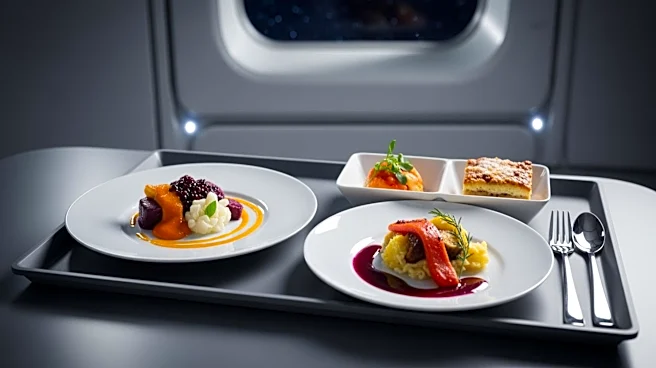
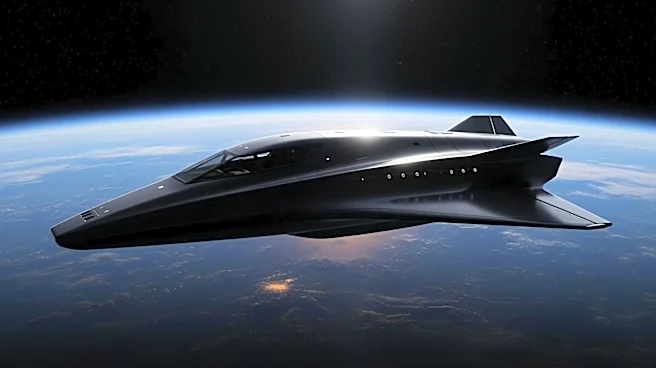
NASA has unveiled the menu for its upcoming Artemis II mission, a 10-day lunar flyby, which includes 189 shelf-stable food items. These meals are designed to meet the nutritional needs of astronauts while ensuring safety and ease of use in a microgravity
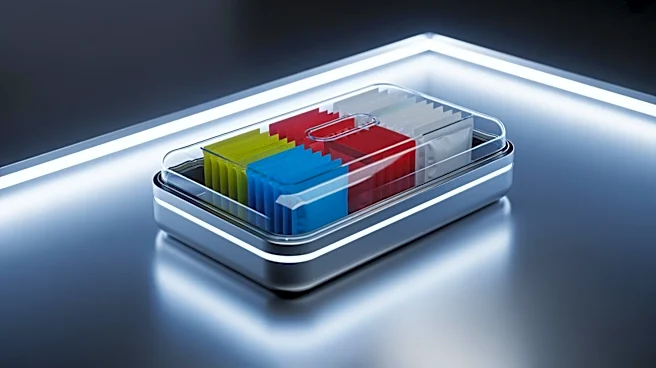
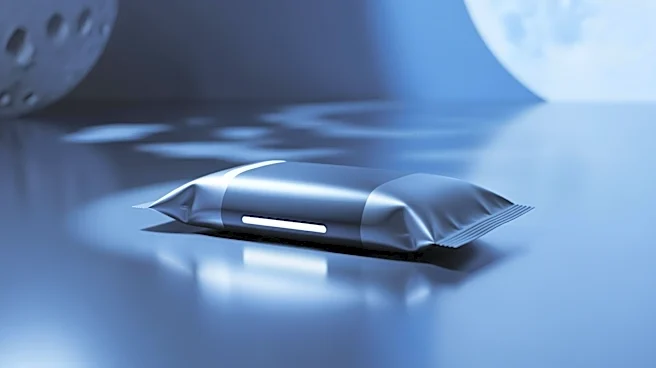
environment. The menu features a variety of pre-packaged meals that are either ready-to-eat or require rehydration using onboard water systems, as refrigeration is not available. Options include vegetable quiche, couscous with nuts, mango-peach smoothies, and barbecued beef brisket. The menu also includes staples like tortillas, which are chosen for their crumb-minimizing properties in zero gravity. To enhance the dining experience, the menu balances structured meals with snacks and flavor enhancers such as hot sauce, nuts, cookies, and chocolate. Beverages offered range from coffee and tea to lemonade and apple cider. Astronauts select their meal preferences before the flight to ensure variety and satisfaction throughout the mission.
Why It's Important?
The development of the Artemis II menu is significant as it addresses the unique challenges of providing nutritious and palatable food in space, particularly for long-duration missions. This innovation in space food technology not only supports the health and performance of astronauts but also has potential applications for remote terrestrial environments where food preservation and safety are critical. The focus on shelf-stable, high-quality meals without the need for refrigeration could lead to advancements in food technology and packaging that benefit both space exploration and global food supply chains. Additionally, the personalized nutrition approach, allowing astronauts to select their meals pre-flight, highlights the importance of catering to individual dietary preferences and needs, which could influence future food service models on Earth.
What's Next?
As NASA continues to prepare for the Artemis II mission, further testing and refinement of the food system will likely occur to ensure optimal performance and satisfaction. The success of this menu could pave the way for more extensive use of similar food technologies in future space missions, including those aimed at Mars exploration. Additionally, the innovations in packaging and meal preparation could inspire new products and processes in the commercial food industry, particularly in areas requiring long shelf life and minimal waste. Stakeholders in the food tech and packaging industries may explore partnerships with space agencies to leverage these advancements for broader applications.