








What's Happening?
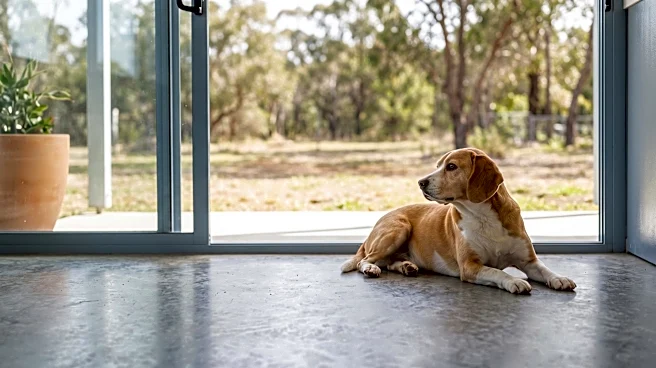
The Food and Drug Administration (FDA) has issued emergency use authorizations for Capstar tablets and a revised authorization for generic nitenpyram tablets, allowing their use for both prevention and treatment of New World screwworm in dogs, puppies,
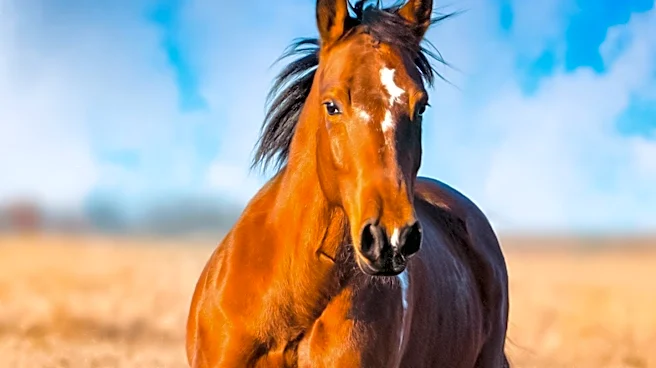
cats, and kittens. This decision comes as detections of the flesh-eating parasite continue to grow in Texas, marking its first appearance in the state since its eradication in the 1960s. Previously, these products were only authorized for treatment. The authorizations apply to animals weighing at least two pounds and at least four weeks old. While these tablets are available over-the-counter, pet owners are advised to consult a veterinarian before use. The New World screwworm is the larval stage of a parasitic fly that lays eggs in open wounds or mucous membranes, with larvae feeding on living tissue. Untreated infestations can be fatal to animals. The current incursion began in June with a confirmed detection in a calf in Zavala County, Texas, and has since affected various livestock and a ranch horse.
Why It's Important?
The re-emergence of the New World screwworm in Texas poses a significant threat to animal health and the U.S. livestock economy. The USDA estimates that a screwworm outbreak could cost Texas cattle producers $732 million annually and the broader Texas economy up to $1.8 billion. The FDA's emergency authorization for prevention in pets is crucial for containing the spread, as domestic animals can act as hosts and contribute to the parasite's lifecycle. This measure aims to protect companion animals and prevent further transmission to livestock and wildlife. The authorization highlights the urgency of the situation, as emergency use authorizations have a lower evidentiary bar than full approvals, allowing for quicker deployment of tools during public health emergencies. The economic implications extend beyond direct livestock losses, potentially impacting related industries and agricultural trade if the outbreak is not effectively controlled.
What's Next?
The FDA's emergency authorizations will remain in effect until revoked or the public health emergency declaration is terminated. Pet owners in affected areas, or those traveling to and from them, are advised to conduct daily wound checks on their animals, paying close attention to small cuts, surgical sites, and moist areas. If maggots are found, immediate veterinary care is recommended, and pet owners should not attempt removal themselves. State animal health officials are also implementing varying travel rules for animals moving from affected zones, requiring individuals relocating or adopting animals across state lines to check both origin and destination regulations. The effectiveness of these preventative measures, alongside ongoing efforts like sterile fly release operations, will determine the future trajectory of the screwworm incursion and its potential containment.
Beyond the Headlines
The re-emergence of the New World screwworm underscores the ongoing challenges of managing eradicated diseases and the importance of robust surveillance systems. The use of emergency authorizations by the FDA reflects a proactive approach to public health crises, balancing the need for rapid intervention with scientific rigor. While human infestation is uncommon, the potential for zoonotic transmission highlights the interconnectedness of animal and human health, a concept central to the 'One Health' approach. The economic impact on the livestock industry could lead to long-term shifts in animal husbandry practices and biosecurity protocols. This event also serves as a reminder of the delicate ecological balance and how the reintroduction of a single parasite can have cascading effects on agriculture, wildlife, and public health infrastructure.