
What's Happening?
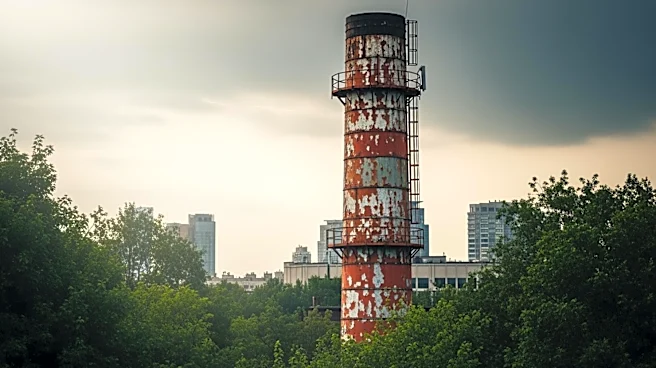
Residents of Roosevelt Island in New York City are calling for a halt to the emergency demolition of an old industrial steam plant, citing concerns over potential toxic exposure. The plant, which dates
back to the 1930s, is believed to contain hazardous materials such as lead paint, asbestos, and mercury. Activists argue that the demolition could release these toxins into the air, posing health risks to the community. Despite requests for transparency, the city has not provided environmental records or confirmed if an environmental review has been conducted. The site, which has been in disrepair for years, was issued an emergency demolition order in 2024, allowing the city to bypass traditional environmental review processes. Residents have expressed frustration over the lack of information and accountability from city officials.
Why It's Important?
The situation highlights significant concerns about public health and environmental safety in urban areas undergoing redevelopment. The potential release of toxins from the demolition could have serious health implications for residents, particularly those living in close proximity to the site. The lack of transparency and communication from city officials has exacerbated fears and undermined trust in local governance. This case underscores the importance of thorough environmental assessments and public engagement in urban planning and development projects. The outcome of this situation could set a precedent for how similar cases are handled in the future, impacting policy and regulatory practices related to environmental safety and public health.
What's Next?
A town hall meeting is scheduled for April 15, where residents hope to gain more information and clarity from city officials. The community is pushing for the release of environmental impact documents and a structural report justifying the emergency demolition. The outcome of this meeting could influence whether the demolition proceeds as planned or if additional safety measures are implemented. The situation may also prompt broader discussions about the need for stricter regulations and oversight in handling potentially hazardous demolitions in urban areas.