









What's Happening?
Passaic County has announced the expansion of its MOVE microtransit program into Paterson, New Jersey. This service, which previously launched in Clifton and Passaic in 2025, provides residents with on-demand rides for a flat fee of $1.90 per trip. The
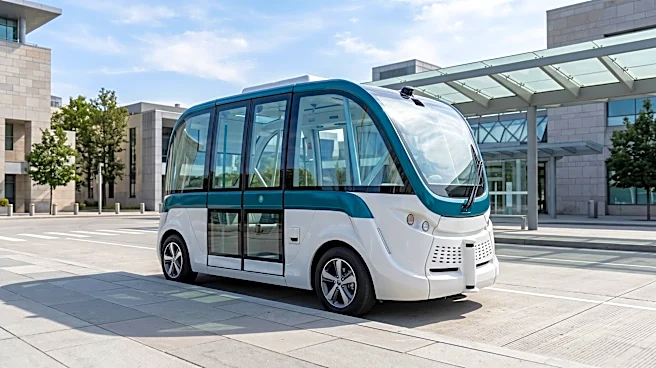
program operates similarly to popular rideshare applications, allowing users to book trips via the MOVE app. Passengers are then matched with others traveling in the same direction and directed to nearby virtual pickup locations. County officials highlight that the MOVE program is designed to address transportation gaps that traditional fixed bus routes often cannot reach, making it a crucial service for areas with high population density. Since its inception, the program has facilitated over 100,000 rides, with approximately 85% of its users lacking access to a personal vehicle. Paterson Mayor Andre Sayegh emphasized that this expansion directly addresses the transportation challenges faced by residents, enabling them to access work, school, and medical appointments more affordably.
Why It's Important?
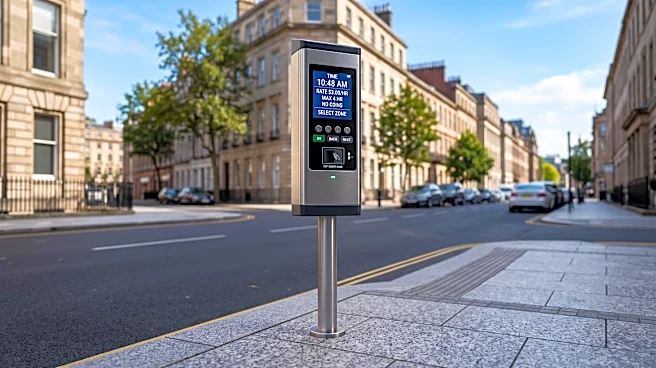
The expansion of the MOVE microtransit program to Paterson is significant for several reasons, primarily addressing critical transportation needs and fostering economic development within the city. For residents, particularly those without personal vehicles, the $1.90 on-demand rides offer an affordable and convenient alternative to traditional public transit or more expensive rideshare options. This increased accessibility can directly impact residents' ability to maintain employment, pursue educational opportunities, and attend essential medical appointments, thereby improving their overall quality of life and reducing financial strain. From a broader city perspective, officials anticipate that the program will lead to reduced parking demand, alleviate traffic congestion, and increase foot traffic for local businesses. These outcomes could stimulate local commerce, support economic growth, and enhance the vibrancy of Paterson's urban core. The program also underscores a growing trend in urban planning to implement flexible, on-demand transit solutions that complement existing infrastructure and cater to diverse community needs.
What's Next?
With the expansion now in effect, Paterson residents can immediately begin utilizing the MOVE microtransit service. The program operates Monday through Friday from 6 a.m. to 8 p.m., offering flexibility for commuters and those needing daytime transportation. Future developments may include monitoring ridership data and user feedback to identify potential service enhancements or adjustments to routes and operating hours. The success of the Paterson expansion could also serve as a model for further microtransit initiatives in other densely populated areas within Passaic County or across New Jersey, particularly in communities facing similar transportation challenges. Continued collaboration between county and city officials will be crucial to ensure the program effectively meets the evolving needs of its users and contributes to the city's long-term transportation strategy. Additionally, the program's impact on local businesses and traffic patterns will be observed to assess its broader economic and environmental benefits.
Beyond the Headlines
The introduction of the MOVE microtransit program in Paterson represents more than just a transportation service; it signifies a shift towards more equitable and sustainable urban mobility solutions. By providing affordable, on-demand transit, the program addresses systemic barriers faced by low-income communities and those without vehicle access, promoting greater social equity. This initiative also highlights the potential for technology-driven solutions to enhance public services, offering a flexible model that can adapt to changing urban landscapes and resident needs more effectively than traditional fixed-route systems. Furthermore, the program's focus on reducing parking demand and increasing foot traffic aligns with broader urban planning goals of creating more walkable, less car-dependent cities, which can lead to environmental benefits through reduced emissions and improved public health. The success of such microtransit models could influence future policy decisions regarding public transportation funding and infrastructure development, encouraging a move towards integrated, multimodal transit networks that prioritize accessibility, affordability, and environmental sustainability.