






What's Happening?
A New York family is facing potential upheaval as the work permits for Haitians with Temporary Protected Status (TPS) are set to expire. Sabine French, whose 91-year-old mother relies on a Haitian caregiver, is concerned about losing this vital support.
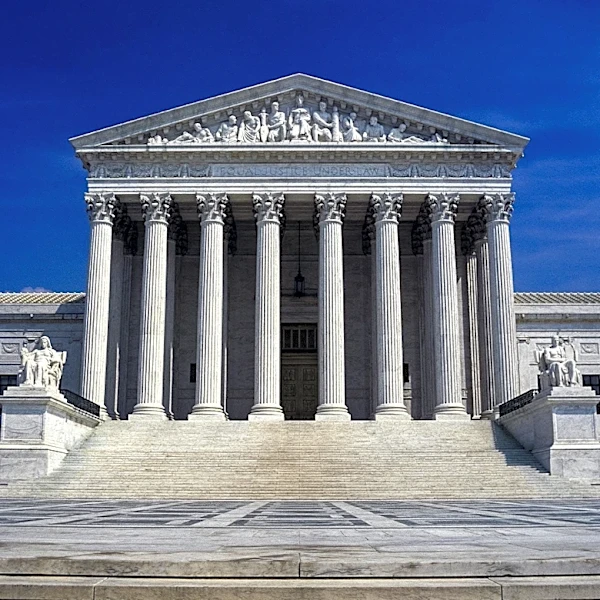
The Supreme Court recently upheld the Trump administration's decision to end TPS for Haitians, arguing that the program was never intended to be permanent. This decision affects many Haitians who have been living and working in the U.S. since the 2010 earthquake.
Why It's Important?
The expiration of TPS for Haitians could have significant implications for the U.S. elder care industry, which relies on many TPS holders. The loss of work permits may lead to a shortage of caregivers, impacting families who depend on these services. The decision also highlights broader immigration policy debates and the challenges faced by immigrants seeking stability and security in the U.S. The situation underscores the need for comprehensive immigration reform to address the status of long-term residents.
What's Next?
As the expiration date approaches, there may be increased advocacy efforts to extend TPS or find alternative solutions for affected individuals. Lawmakers could face pressure to pass legislation providing a pathway to citizenship or temporary extensions. The outcome will likely influence future immigration policy discussions and the lives of thousands of TPS holders and their families.
Beyond the Headlines
The situation raises ethical questions about the treatment of immigrants who have contributed to U.S. society for years. It also reflects the complexities of balancing national security concerns with humanitarian considerations in immigration policy. The potential loss of caregivers could have ripple effects on the healthcare system and the well-being of vulnerable populations.