






What's Happening?
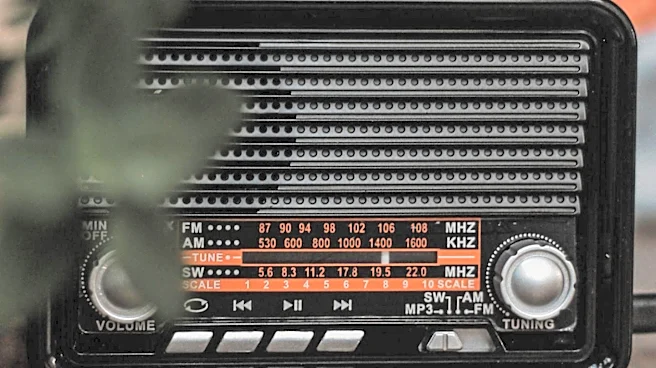
The U.S. House of Representatives has passed the 'AM Radio in Every Vehicle Act,' sending the legislation to the Senate for further consideration. This bill aims to mandate the inclusion of AM radio receivers in all new vehicles. The move comes amidst
a push by some electric vehicle manufacturers to remove AM radio from their vehicles, citing potential technical interference from large batteries. However, engineers and proponents of AM radio, such as Dennis Lyle, CEO of the Illinois Broadcasters Association, argue that such interference can be mitigated. Lyle emphasized the critical role of AM radio, particularly in rural areas where it often serves as the most reliable source of information due to geographical restrictions affecting FM signals. He also highlighted AM radio's importance in the Emergency Alert System (EAS), where stations like WTAX act as primary entry points (PEP) to disseminate critical messages during emergencies.
Why It's Important?
This legislative effort is highly significant for public safety and communication infrastructure across the United States. AM radio serves as a vital component of the Emergency Alert System, providing crucial information during natural disasters, severe weather events, and other emergencies, especially in remote or underserved areas where other communication methods may fail. The potential removal of AM radio from new vehicles could create significant gaps in emergency communication, leaving many communities vulnerable. For the broadcasting industry, particularly local AM stations, this bill represents a lifeline, ensuring their continued relevance and reach. Conversely, it poses a challenge for some automakers, particularly those in the electric vehicle sector, who may face additional costs or design complexities to integrate AM radio technology while addressing potential electromagnetic interference concerns. The outcome will impact both consumer access to information and the operational strategies of automotive manufacturers.
What's Next?
The 'AM Radio in Every Vehicle Act' now moves to the U.S. Senate for debate and a vote. If passed by the Senate, it would then proceed to the President for signature into law. Key stakeholders, including the automotive industry, broadcasting associations, and emergency management agencies, will likely engage in lobbying efforts to influence senators' decisions. Automakers may present arguments regarding technical feasibility and cost implications, while broadcasters and public safety advocates will underscore the importance of AM radio for emergency communications and rural communities. The legislative process will involve discussions on potential compromises or amendments to address concerns from both sides. The final decision will determine whether AM radio remains a standard feature in new vehicles, impacting future vehicle design and emergency preparedness strategies nationwide.
Beyond the Headlines
The debate over AM radio in vehicles touches upon broader themes of technological evolution versus public utility and legacy infrastructure. While newer technologies offer diverse communication channels, the reliability and widespread accessibility of AM radio, particularly during crises, underscore the enduring value of established systems. This situation highlights a tension between innovation-driven design choices in the automotive industry and the societal expectation for universal access to critical information. It also raises questions about the role of government in mandating technology inclusion for public good, even when private industries perceive it as an outdated or technically challenging feature. The outcome could set a precedent for how future technological advancements in vehicles are balanced against public safety and communication needs, potentially influencing regulations for other in-car technologies.