






What's Happening?
The Financial Crimes Enforcement Network (FinCEN), part of the U.S. Department of the Treasury, has issued an advisory to banks to be vigilant against identity theft, payroll tax fraud, and money laundering schemes linked to the employment of unauthorized
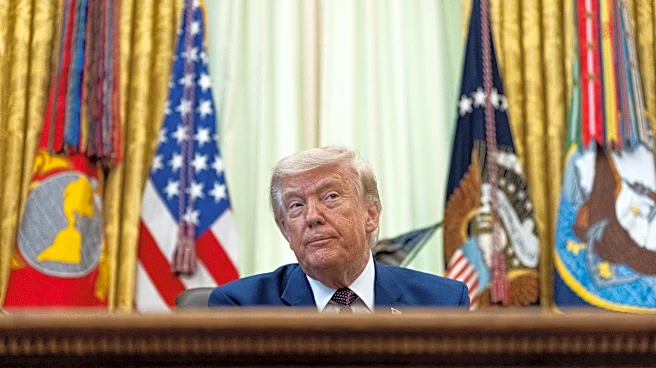
workers. This advisory follows an executive order signed by President Trump, which requires banks to scrutinize the citizenship status of their customers. The order aims to prevent individuals without legal status from accessing the U.S. financial system. Although the order stops short of mandating banks to collect citizenship information, it encourages financial institutions to identify 'red flags' that may indicate illegal activity. The banking industry had previously lobbied against a more stringent mandate, citing potential costs and administrative burdens.
Why It's Important?
This development is significant as it reflects the Trump administration's ongoing efforts to tighten immigration controls and secure the financial system against exploitation. By targeting financial institutions, the administration seeks to disrupt the financial networks that support unauthorized employment, which can undermine tax revenue and legitimate business operations. The advisory could lead to increased scrutiny of financial transactions and potentially impact individuals and businesses that rely on undocumented labor. It also highlights the tension between regulatory enforcement and the banking industry's operational concerns, as banks balance compliance with customer service and privacy considerations.
What's Next?
Financial institutions are expected to implement the advisory's guidelines, which include monitoring for suspicious activities and reporting them to FinCEN. The advisory may prompt banks to enhance their due diligence processes, particularly concerning customer identification and transaction monitoring. As the advisory is part of a broader strategy to secure the financial system, further regulatory actions or guidance from the Treasury Department and other agencies may follow. Stakeholders, including banks and immigrant advocacy groups, are likely to respond to these measures, potentially influencing future policy adjustments.