
What's Happening?
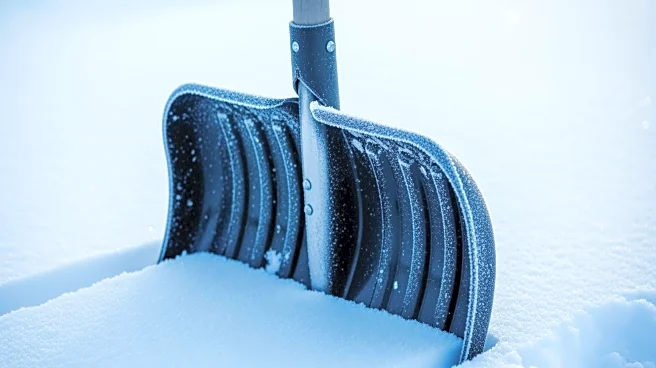
Health experts are cautioning the public about the potential heart attack risks associated with shoveling snow, particularly following a recent snowstorm. According to the American Heart Association, the physical
exertion required for snow shoveling can be as intense as a major workout, which can significantly strain the heart. This risk is exacerbated by cold temperatures that cause blood vessels to constrict, raising blood pressure and increasing the likelihood of heart attacks, strokes, or cardiac arrests. The warning is especially pertinent for individuals with pre-existing heart conditions, older adults, and those with high blood pressure or cholesterol. Even those who consider themselves healthy can be at risk if they are generally sedentary and suddenly engage in strenuous activity like snow shoveling. Health officials recommend taking breaks, pushing snow instead of lifting it, and being aware of heart attack warning signs, such as chest discomfort and shortness of breath.
Why It's Important?
The warning from health experts highlights a significant public health concern, particularly in regions prone to heavy snowfall. The physical demands of snow shoveling can lead to serious health consequences, including heart attacks, which are a leading cause of death in the United States. This issue underscores the importance of public awareness and preventive measures to reduce the risk of heart-related incidents during winter months. The advice to recognize early warning signs and seek immediate medical attention can potentially save lives. Additionally, the emphasis on safe shoveling practices and the need for caution among vulnerable populations can help mitigate the risk of injury and promote overall community health.
What's Next?
As winter continues, health officials and organizations like the American Heart Association are likely to continue their efforts to educate the public on the risks associated with snow shoveling. This may include public service announcements, community workshops, and distribution of informational materials on safe snow removal practices. Local governments and community groups might also consider organizing volunteer services to assist those who are unable to safely shovel snow themselves. Monitoring and reporting on snow-related health incidents will be crucial in assessing the effectiveness of these educational campaigns and in making necessary adjustments to public health strategies.