







What's Happening?
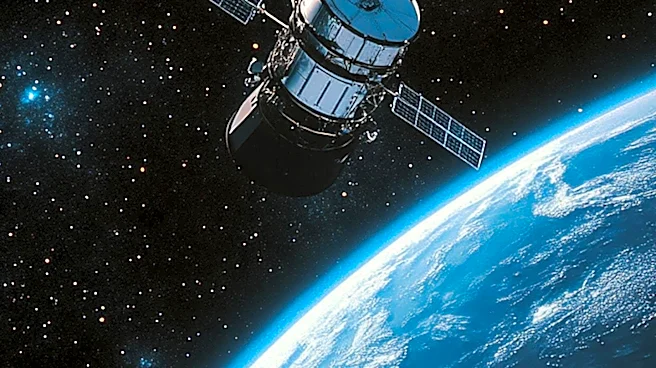
In 1967, US satellites designed to detect secret nuclear tests inadvertently discovered a flash from deep space, marking the first observed gamma-ray burst. This accidental signal was detected by satellites that were part of a program to monitor nuclear activities,
but instead revealed a cosmic phenomenon. Gamma-ray bursts are intense flashes of gamma rays, which are the most energetic form of light, and are believed to be associated with the collapse of massive stars or the merging of neutron stars. This discovery opened a new field of study in astrophysics, leading to further research into the origins and implications of gamma-ray bursts.
Why It's Important?
The discovery of gamma-ray bursts has significant implications for the field of astrophysics, as it provides insights into the most energetic events in the universe. Understanding gamma-ray bursts can help scientists learn more about the life cycles of stars, the formation of black holes, and the dynamics of the universe. This accidental discovery also highlights the importance of satellite technology in advancing scientific knowledge and the potential for unexpected findings in space exploration. The study of gamma-ray bursts continues to be a major area of research, contributing to our understanding of cosmic phenomena and the fundamental processes of the universe.
What's Next?
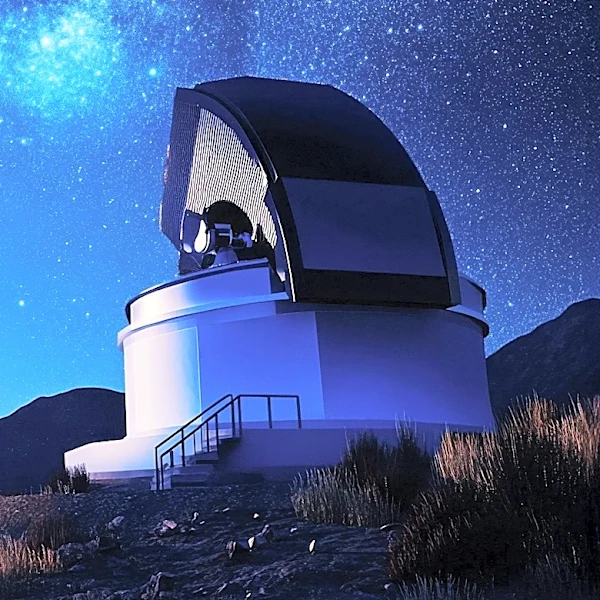
Research into gamma-ray bursts is ongoing, with scientists using advanced telescopes and satellite technology to study these events in greater detail. Future discoveries may provide more information about the mechanisms behind gamma-ray bursts and their role in the universe. The continued exploration of gamma-ray bursts will likely lead to new insights into astrophysics and the development of technologies to better observe and analyze cosmic phenomena.
Beyond the Headlines
The discovery of gamma-ray bursts also raises questions about the potential impact of cosmic events on Earth and the broader universe. Understanding these phenomena can help scientists assess the risks associated with high-energy cosmic events and develop strategies to mitigate their effects. The study of gamma-ray bursts contributes to a broader understanding of the universe and the interconnectedness of cosmic processes.