







What's Happening?
A study published in JAMA Neurology indicates that combining multiple Alzheimer's-related biomarkers in blood tests can significantly enhance diagnostic accuracy. Researchers found that assessing proteins linked to amyloid plaques and tau tangles, key
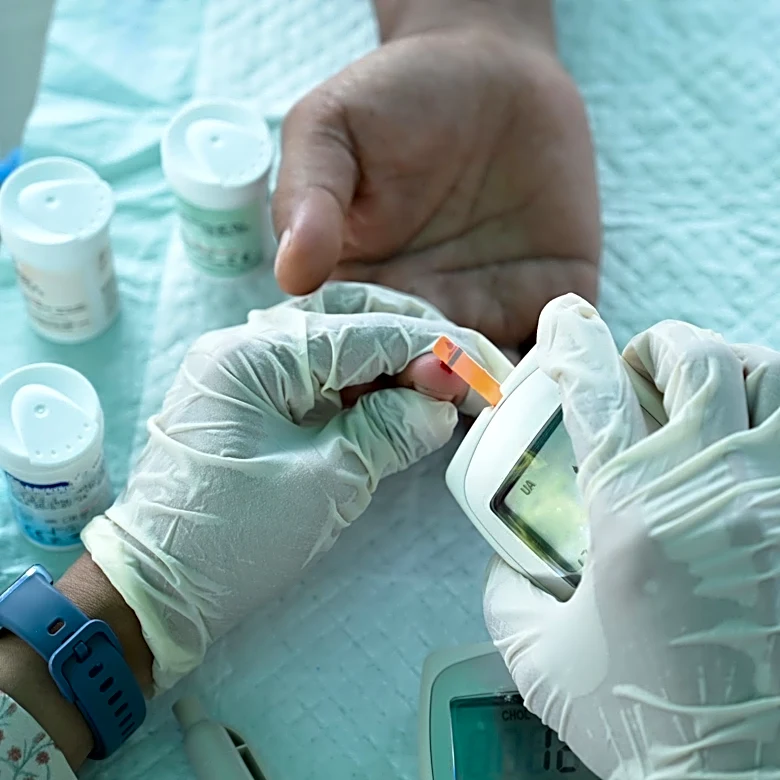
indicators of Alzheimer's, improved the ability to distinguish the disease from other conditions. This approach could reduce false positives and negatives, providing clinicians with more reliable diagnostic tools. The study highlights the potential of blood tests to offer a less invasive and more accessible alternative to current diagnostic methods like brain scans.
Why It's Important?
The development of more accurate blood tests for Alzheimer's disease could revolutionize early diagnosis and treatment, addressing a major barrier in managing the condition. By improving diagnostic accuracy, these tests could facilitate earlier intervention, potentially slowing disease progression and improving patient outcomes. Additionally, more accessible testing could alleviate healthcare disparities by providing a cost-effective alternative to expensive imaging techniques, making Alzheimer's diagnosis more widely available.