


What's Happening?
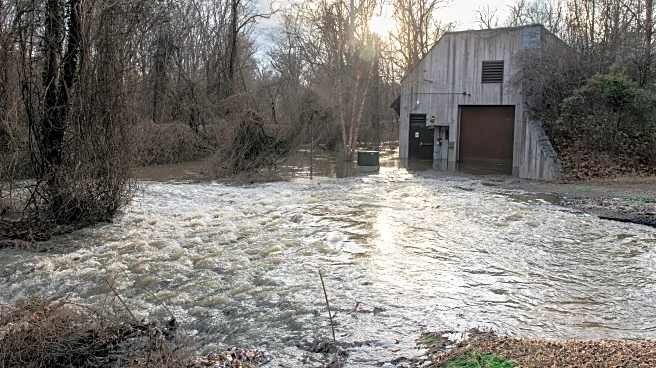
D.C. Mayor Muriel Bowser has declared a local public emergency in response to a significant sewage spill in the Potomac River, which occurred after a major pipe collapse released millions of gallons of sewage. This incident, one of the largest sewage spills
in U.S. history, poses serious health and environmental risks, although it has not affected drinking water. The emergency declaration allows the mayor to request a Presidential Emergency Disaster Declaration, potentially bringing federal support to aid in the response. The request includes seeking 100% reimbursement for costs incurred by the District and DC Water, as well as enhanced coordination between affected states and federal agencies. The Federal Emergency Management Agency (FEMA) has arrived on-site to assist, and the Environmental Protection Agency (EPA) is involved in the response efforts.
Why It's Important?
The declaration of a public emergency and the involvement of federal agencies underscore the severity of the Potomac River sewage spill. This incident highlights the vulnerability of urban infrastructure and the potential for environmental disasters to impact public health and safety. The spill has resulted in elevated E. coli levels, prompting safety protocols for water rescues and advisories against river contact. The situation necessitates a coordinated response across multiple jurisdictions, including D.C., Maryland, and Virginia, to mitigate the environmental impact and ensure public safety. The federal assistance sought could provide critical resources for cleanup and infrastructure repair, emphasizing the importance of federal-state collaboration in managing environmental crises.
What's Next?
Efforts to repair the pipeline responsible for the sewage overflow are expected to take several weeks, with additional site work continuing for up to nine months. The emergency declaration aims to facilitate a more coordinated response among local and federal agencies. As spring approaches, ensuring the safety and usability of the Potomac River for recreational activities is a priority. Long-term water quality monitoring and testing will be essential to confirm safety levels and guide public advisories. The outcome of the federal assistance request and the effectiveness of the coordinated response will be closely watched by stakeholders and the public.