
What's Happening?
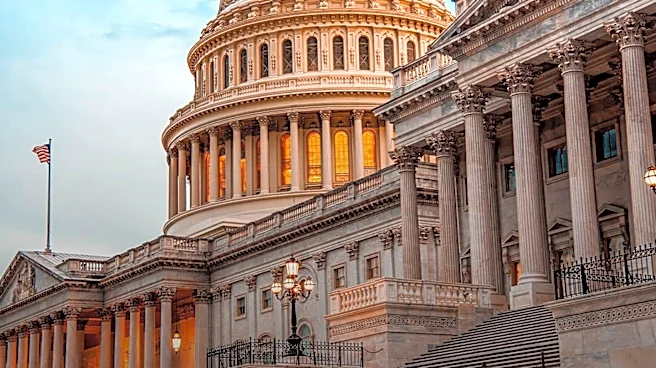
The North Rim Restoration Act of 2025, introduced by Rep. Eli Crane, is gaining momentum following a Senate Committee on Energy and Natural Resources hearing. The bill, which passed the House unanimously,
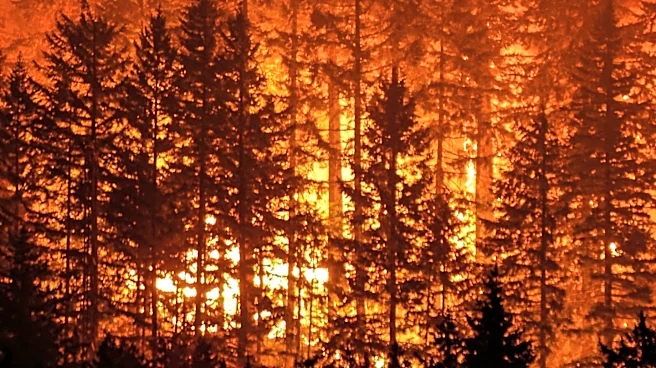
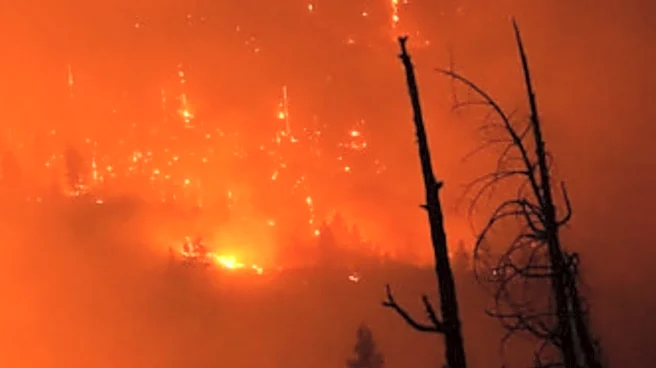
aims to expedite recovery efforts in Northern Arizona after the devastating Dragon Bravo Fire. This fire destroyed nearly 150,000 acres and over 100 structures, including the Grand Canyon Lodge, severely impacting local tourism and businesses. The legislation grants the National Park Service emergency contracting authority to accelerate rebuilding and recovery efforts, bypassing standard bureaucratic delays. It has received bipartisan support and endorsements from various stakeholders, including the Coconino County Board of Supervisors and several congressional representatives.
Why It's Important?
The North Rim Restoration Act addresses critical needs for rapid recovery and rebuilding in fire-affected areas, highlighting the importance of efficient government response to natural disasters. By streamlining processes, the bill aims to restore economic stability and support local communities dependent on tourism. The bipartisan support for the legislation underscores the shared recognition of the urgent need for effective disaster management strategies. Successful implementation could serve as a model for future legislative efforts in disaster recovery and environmental management, potentially influencing national policies on emergency response and infrastructure resilience.
What's Next?
The bill's progress in the Senate marks a significant step towards its potential enactment. Continued advocacy and support from stakeholders will be crucial as the legislation moves towards a full Senate vote. If passed, the National Park Service will begin implementing the expedited recovery measures, with regular reports to Congress ensuring transparency and accountability. The outcome of this legislative effort could impact future policy decisions related to disaster management and environmental conservation, setting a precedent for how similar situations are handled across the country.