






What's Happening?
The Aquarium of the Pacific in Long Beach, California, has taken in nearly 1,000 trafficked marine animals over two separate operations this summer. These animals were seized by wildlife officials from illegal wildlife trafficking attempts. In June, authorities
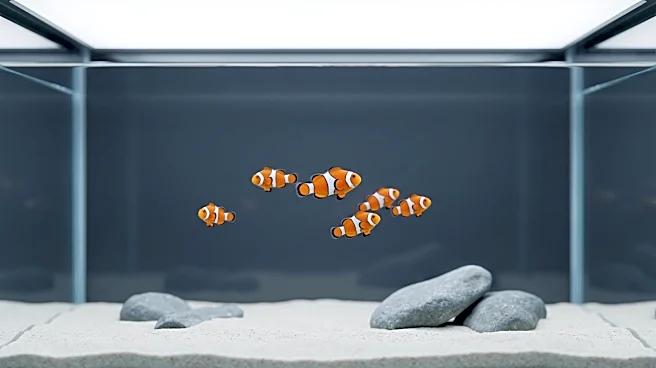
intercepted a box truck carrying approximately 2,000 animals, including reptiles, fish, and invertebrates, destined for the black market. The aquarium received about 500 marine animals from this bust. A second operation in late July brought another 300 marine animals to the facility after a brief stay at a federal wildlife center. Nate Jaros, vice president of animal care at the aquarium, noted that this represents one of the largest hauls the aquarium has handled in years. The rescued species include brownbanded bamboo sharks, Banggai cardinalfish, and ocellaris clownfish, among others. Aquarium staff worked through the night to acclimate the animals to specialized quarantine areas, testing water parameters and providing medical treatment for parasites. Approximately a quarter of the animals from the first intake died upon arrival or shortly thereafter due to the stress of trafficking.
Why It's Important?
This significant rescue operation highlights the severe impact of illegal wildlife trafficking on marine ecosystems and the dedicated efforts required to combat it. Southern California is identified as a major hub for trafficked wildlife, with animals often passing through the region's ports of entry from Asian countries. The incident underscores the cruel conditions these animals endure, often packed into small bags of seawater without food or proper care, leading to weakened states and high mortality rates. The involvement of the Aquarium of the Pacific, a founding member of the Association of Zoos and Aquariums’ Wildlife Confiscations Network, demonstrates the critical role accredited facilities play in rehabilitating and rehoming seized animals. The network, a partnership between the U.S. Fish and Wildlife Service and the Association of Zoos and Aquariums, aims to streamline the placement of these animals. The long-term implications for these rescued animals are significant, as they cannot be returned to the wild due to health risks and the potential introduction of diseases, meaning they will live out their lives in aquariums or rehabilitation centers.
What's Next?
The Aquarium of the Pacific will continue to care for the rescued marine animals, providing necessary medical treatment and acclimation to their new environments. Many of these animals will eventually be transferred to other accredited facilities within the Association of Zoos and Aquariums’ Wildlife Confiscations Network, while some will be integrated into the Long Beach aquarium's own exhibits. The decision on which animals stay and which are transferred depends on factors such as species size, lifespan, and compatibility with existing exhibit populations. The aquarium recently received grant funding to expand and upgrade its holding systems, anticipating future confiscations. This ongoing effort by the network and its member institutions is crucial for managing the influx of trafficked wildlife. Authorities will likely continue their efforts to intercept illegal wildlife shipments, particularly in regions like Southern California, which are known trafficking epicenters. The long-term goal is to disrupt these illegal trade networks and protect vulnerable marine species.
Beyond the Headlines
The illegal wildlife trade, exemplified by these marine animal seizures, represents a global crisis with profound ecological, economic, and ethical dimensions. Beyond the immediate suffering of individual animals, this trade contributes to the depletion of wild populations, threatens biodiversity, and can introduce invasive species and diseases into new environments. The demand for exotic pets, food, and traditional medicine fuels this illicit market, often involving complex international networks. The efforts of organizations like the Aquarium of the Pacific and the Wildlife Confiscations Network are vital, but they address the symptoms rather than the root causes. A deeper implication is the need for increased international cooperation, stronger enforcement, and public awareness campaigns to reduce demand for illegally sourced wildlife. The ethical dilemma of keeping these animals in captivity, even for their own protection, also surfaces, highlighting the irreversible damage caused by human exploitation of natural resources. This situation underscores the interconnectedness of global ecosystems and the far-reaching consequences of human actions on marine life.