





What's Happening?
The Fijian government has turned down a proposal by The Next Generation Holdings, led by Australian billionaire Ian Malouf and fashion entrepreneur Rob Cromb, to establish a waste-to-energy incineration plant in Fiji. The plan involved importing non-recyclable
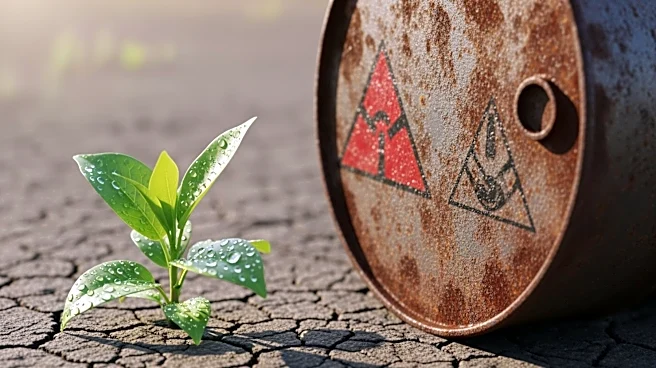
waste from the region to be incinerated, which was expected to meet 40% of Fiji's electricity needs. However, the project faced significant opposition from local landowners and tourism operators, who labeled it as 'waste colonialism.' Concerns were raised about the project's potential to increase national emissions by 25%, its impact on Fiji's eco-tourism reputation, and the safety risks posed by its proximity to hotels and schools. The Fijian environment ministry cited unresolved issues regarding the project's scale, imported waste, hazardous ash management, and public health risks as reasons for the rejection.
Why It's Important?
This decision underscores the growing tension between economic development and environmental preservation in regions heavily reliant on tourism. Fiji's rejection of the incineration project highlights the importance of sustainable practices in maintaining its eco-tourism appeal. The move also reflects a broader resistance against 'waste colonialism,' where wealthier nations export their waste management challenges to less developed countries. The outcome of this decision could influence future international waste management proposals and encourage the development of more sustainable and locally beneficial solutions. Additionally, it raises awareness about the environmental and health implications of large-scale waste incineration projects.
What's Next?
Following the rejection, it is likely that The Next Generation Holdings will need to reassess their strategy and possibly explore alternative locations or methods for waste management. The Fijian government may also seek to develop or attract more environmentally friendly energy solutions that align with their sustainability goals. This decision could prompt other Pacific nations to scrutinize similar proposals more closely, potentially leading to a regional shift towards more sustainable waste management practices. Stakeholders, including environmental groups and local communities, may continue to advocate for policies that prioritize environmental health and sustainable development.
Beyond the Headlines
The rejection of the incineration project in Fiji highlights the ethical considerations surrounding international waste management practices. It raises questions about the responsibility of developed nations in managing their waste and the potential exploitation of less developed countries as dumping grounds. This situation also emphasizes the need for global cooperation in addressing waste management challenges and developing innovative solutions that do not compromise the environmental integrity of vulnerable regions. The decision could serve as a catalyst for increased investment in research and development of sustainable waste management technologies.