






What's Happening?
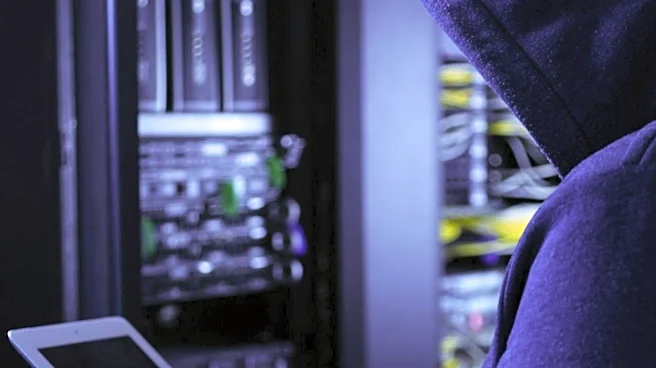
Minnesota's water systems were targeted by cyberattacks, prompting state officials to investigate potential links to Iranian hackers. Over 30 water systems were affected, with the attacks occurring on Sunday and Monday. While no residents reported direct
impacts, some cities, like Braham, asked residents to conserve water temporarily. The FBI and other agencies are investigating, with no public identification of the attackers yet. The attacks align with recent warnings about Iranian hackers targeting critical infrastructure, including water systems. The incidents highlight vulnerabilities in local facilities, which often lack resources for advanced cybersecurity measures.
Why It's Important?
The cyberattacks on Minnesota's water systems underscore the growing threat of digital warfare targeting critical infrastructure in the U.S. Such attacks can cause significant disruptions and panic, especially in essential services like water supply. The potential involvement of Iranian hackers reflects geopolitical tensions and the increasing sophistication of cyber threats. This situation highlights the need for enhanced cybersecurity measures and federal support for local facilities to protect against such attacks. The broader implications include potential policy changes and increased investment in cybersecurity to safeguard national infrastructure.
What's Next?
Authorities will continue to investigate the source of the attacks and work to strengthen cybersecurity defenses across critical infrastructure sectors. The incidents may prompt federal and state governments to allocate more resources towards cybersecurity initiatives and infrastructure protection. Additionally, there could be increased collaboration between public and private sectors to develop comprehensive strategies against cyber threats. As investigations progress, further advisories and preventive measures may be issued to mitigate future risks.