





What's Happening?
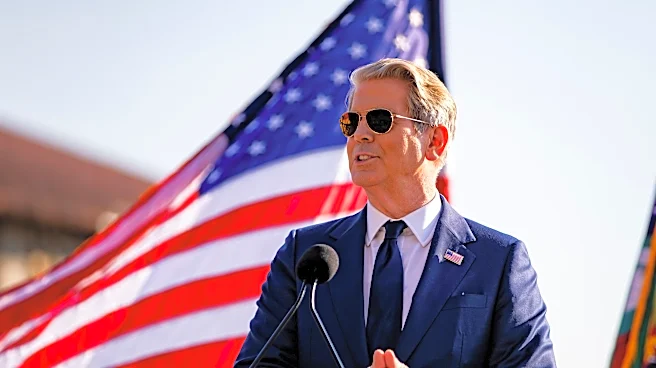
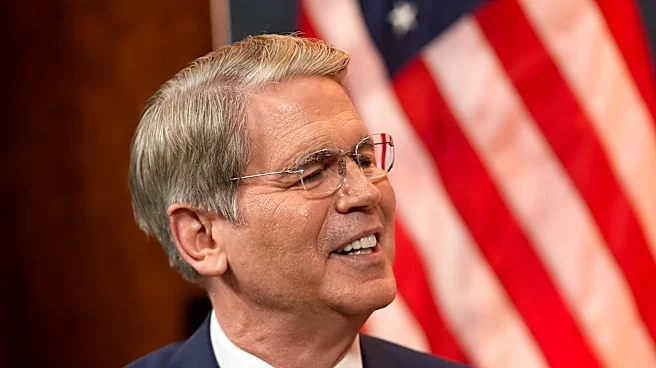
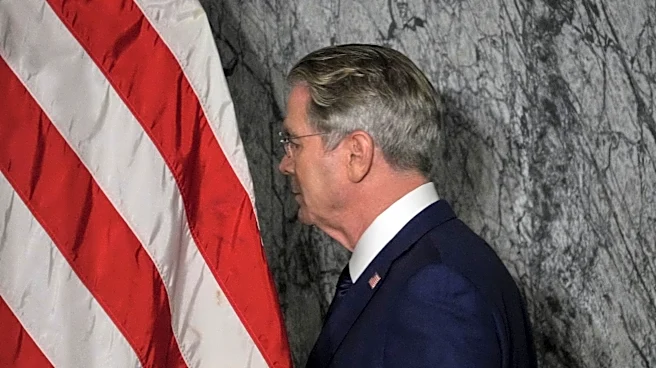
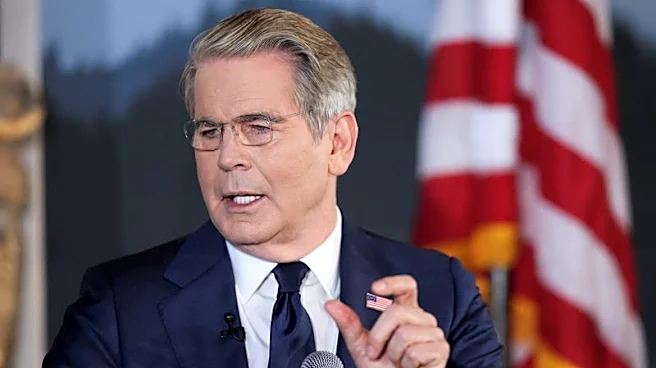
U.S. Treasury Secretary Scott Bessent announced on Wednesday that the Trump administration is considering airlines, the maritime industry, and digital assets as potential targets for further sanctions against Iran. This move is part of ongoing efforts
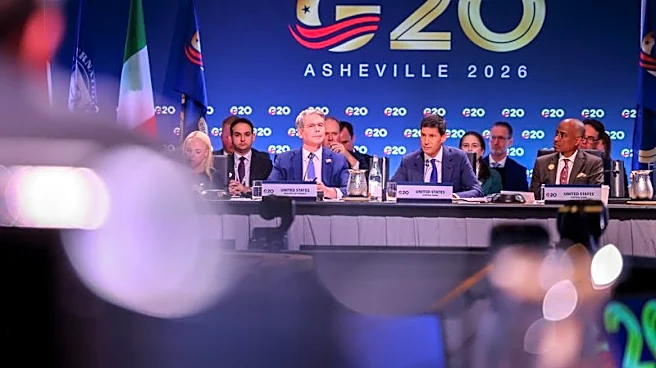
to exert economic pressure on Iran. Bessent, speaking on Fox News after a G20 gathering in North Carolina, issued a warning to all entities against supporting Tehran, stating that the quickest way to end the current conflict is to cease all support for the Iranian regime. He emphasized that the U.S. is engaged in comprehensive discussions with any parties providing support to Iran. The Secretary also indicated that additional sanctions targeting Iranian banks could be implemented within the week, and that airline leasing companies might also face restrictions.
Why It's Important?
This announcement signals a significant expansion of the Trump administration's economic pressure campaign against Iran, moving beyond traditional financial and oil sectors to encompass new areas like digital assets and the broader maritime and aviation industries. Targeting these sectors could have far-reaching implications for international businesses that interact with Iran, potentially forcing them to choose between compliance with U.S. sanctions and engagement with the Iranian market. For the U.S., this strategy aims to further isolate Iran economically and politically, potentially impacting its ability to fund regional activities or develop its nuclear program. The inclusion of digital assets highlights the evolving nature of sanctions enforcement in a globalized and technologically advanced financial landscape, posing new challenges for compliance and oversight. Businesses, particularly those in the aviation, shipping, and cryptocurrency sectors, will need to carefully assess their exposure and adjust their operations to avoid potential penalties.
What's Next?
In the immediate future, businesses involved in airline leasing, maritime operations, and digital asset transactions with any connection to Iran should anticipate heightened scrutiny and potential new sanctions. Secretary Bessent's remarks suggest that further sanctions targeting Iranian banks could be announced as early as this week, indicating a rapid escalation of economic measures. International entities and governments will likely monitor these developments closely, as the U.S. continues to press its allies and other nations to align with its sanctions policy. The effectiveness of these expanded sanctions will depend on the willingness of other countries and private sector actors to comply, which could lead to further diplomatic tensions or shifts in global trade patterns. Companies will need to review their compliance frameworks to mitigate risks associated with these new potential targets.
Beyond the Headlines
The targeting of digital assets in sanctions against Iran represents a critical evolution in economic warfare, acknowledging the growing role of cryptocurrencies and blockchain technology in international finance. This move could set a precedent for how nations approach sanctions enforcement in the digital realm, potentially leading to increased regulation and oversight of cryptocurrency exchanges and digital payment platforms globally. Furthermore, the broad warning to "everyone" against supporting Tehran underscores a more assertive U.S. foreign policy stance, aiming to create a global consensus against the Iranian regime. This approach could lead to a more fragmented global economy, where countries and businesses are increasingly forced to align with one geopolitical bloc or another, impacting international trade, investment, and technological cooperation. The long-term implications could include a re-evaluation of international financial systems and the development of alternative, sanctions-resistant economic infrastructures.