
What's Happening?
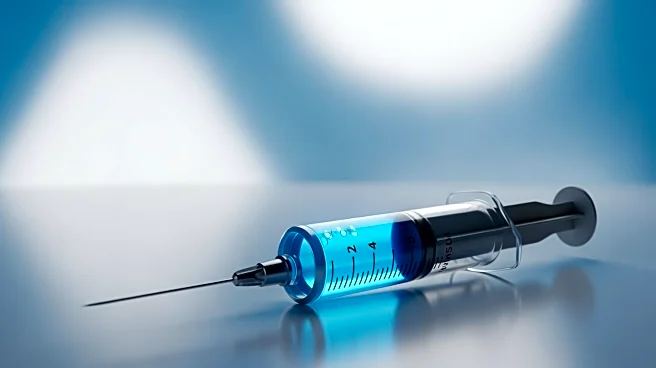
A groundbreaking vaccine designed to prevent fentanyl overdoses is set to enter human clinical trials. Developed by ARMR Sciences and the University of Houston, the vaccine has shown promising results
in animal studies, effectively blocking fentanyl from entering the brain and preventing its lethal effects. Unlike naloxone, which reverses an overdose after it occurs, this vaccine aims to prevent the overdose by creating antibodies that capture fentanyl in the bloodstream. The vaccine contains a synthetic fragment of fentanyl attached to a protein and an immune-activating compound, which together stimulate the immune system to produce these protective antibodies. The first phase of human trials will begin in early 2026 in the Netherlands, focusing on safety and immune response.
Why It's Important?
The development of this vaccine could significantly impact the opioid crisis in the U.S., where fentanyl is a leading cause of overdose deaths. By preventing the drug from reaching the brain, the vaccine could save countless lives, particularly among those with opioid use disorder. It also offers potential protection for first responders and healthcare workers who risk accidental exposure. The vaccine's success could pave the way for similar treatments against other drugs like cocaine and methamphetamine, potentially reducing the overall burden of drug addiction and overdose deaths. This innovation represents a shift towards preventive measures in the fight against the opioid epidemic.
What's Next?
Following the initial human trials, further phases will assess the vaccine's effectiveness in blocking fentanyl's effects in humans. If successful, the vaccine could become a critical tool in public health strategies against opioid addiction. The trials will also explore potential use cases, including for military and national security personnel, and at-risk populations such as teens and young adults. The outcome of these trials will determine the vaccine's future availability and its role in comprehensive drug prevention programs.