

What's Happening?
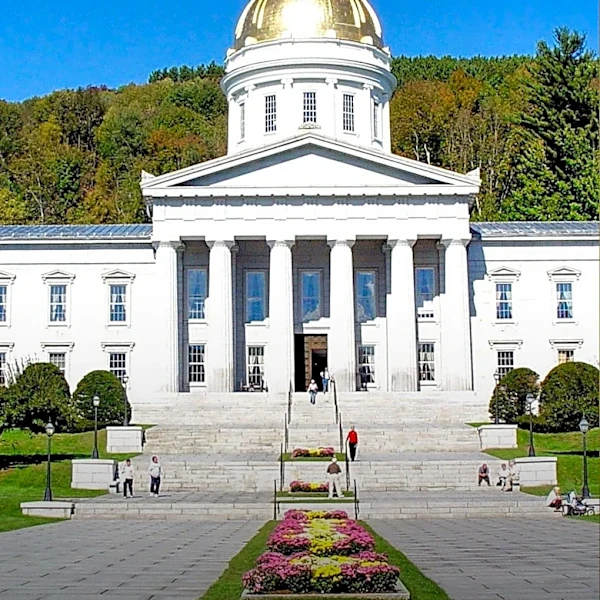
An opinion piece in the Vermont Daily Chronicle, authored by Guy Page, draws a parallel between the Green New Deal and a historical horse watering trough in Canaan, Vermont, to critique the feasibility of current renewable energy policies. Page argues
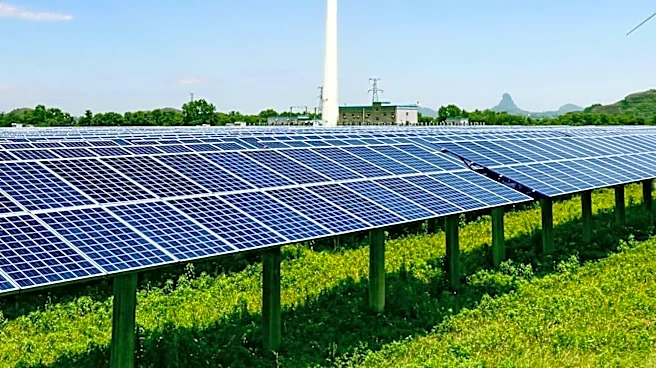
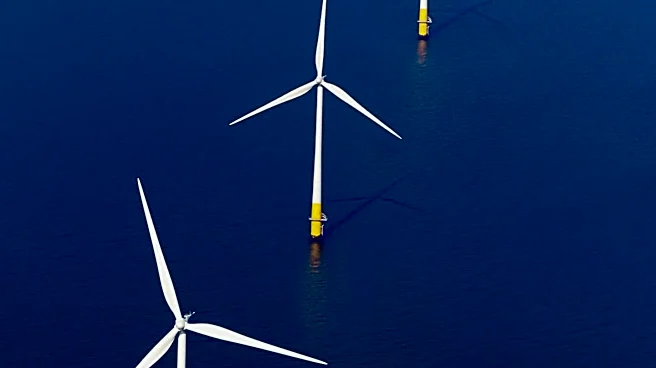
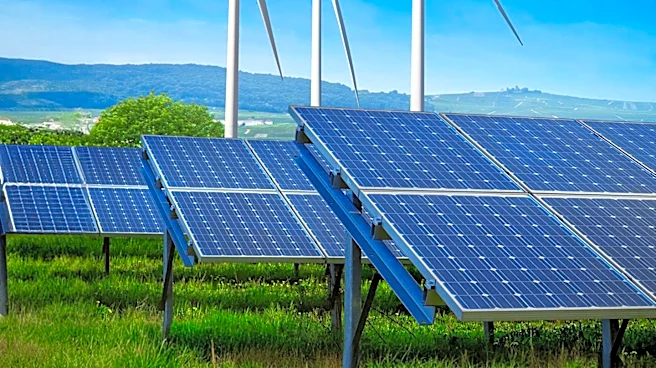
that while the Green New Deal and Vermont's Global Warming Solutions Act were designed to transition America to a power grid based on wind, solar, and other carbon-free sources, the landscape of electricity demand has significantly changed. The article highlights that U.S. power demand, which was previously stable, is now projected to grow substantially due to the increasing needs of data centers, artificial intelligence, new factories, and the electrification of cars and heating. This surge in demand, according to Page, challenges the core assumptions of policies focused solely on replacing existing fossil fuel generation with renewables, as wind and solar do not provide consistent, on-demand power. The author suggests that this new reality is forcing a re-evaluation of the power grid's requirements, potentially bringing natural gas and nuclear power back into the discussion for reliable, round-the-clock electricity generation.
Why It's Important?
This commentary is important because it reflects a growing debate within the U.S. regarding the practical challenges of transitioning to a fully renewable energy grid while simultaneously meeting escalating electricity demands. The Green New Deal, a prominent policy proposal, aims for a rapid shift to clean energy, but critics, as exemplified by this article, question its ability to ensure grid reliability and affordability in the face of new energy-intensive technologies like AI and data centers. The piece underscores a potential conflict between ambitious climate goals and the immediate need for stable, abundant power to support economic growth and technological advancement. If the U.S. cannot adequately address the increased demand with current renewable strategies, it could lead to higher energy costs, grid instability, or a reliance on traditional energy sources, impacting industries, consumers, and the overall economy. The discussion highlights the complex trade-offs involved in energy policy and the need for solutions that balance environmental objectives with practical energy security and economic realities.
What's Next?
The ongoing debate surrounding the Green New Deal and similar state-level initiatives like Vermont's Global Warming Solutions Act is likely to intensify as electricity demand continues to rise. Policymakers and energy planners will face increasing pressure to reconcile ambitious renewable energy targets with the practical requirements of a stable and affordable power supply. This could lead to a re-evaluation of energy strategies, potentially incorporating a more diversified energy mix that includes natural gas and nuclear power, which offer consistent baseload generation. Discussions will likely focus on grid modernization, energy storage solutions, and the development of dispatchable clean energy technologies to address the intermittency of wind and solar. Furthermore, the economic implications of energy policy choices, including potential impacts on industrial competitiveness and consumer costs, will remain central to the public discourse. The outcome of these debates will shape the future of the U.S. energy landscape and its ability to support technological innovation and economic growth while pursuing environmental goals.
Beyond the Headlines
The article touches upon a deeper societal and technological shift: the unforeseen energy demands of emerging technologies like artificial intelligence and data centers. This development challenges the conventional wisdom that energy consumption would remain flat or decrease with efficiency gains, forcing a re-evaluation of long-term energy planning. The metaphor of the horse watering trough highlights the risk of investing in infrastructure or policies that quickly become obsolete due to technological advancements. This raises ethical questions about intergenerational equity in energy policy—how current decisions impact future generations' access to reliable and affordable power. It also underscores the cultural dimension of energy choices, where deeply held beliefs about environmental protection may clash with the practicalities of maintaining a modern, energy-intensive society. The tension between aspirational environmental goals and the pragmatic needs of a technologically advancing economy will likely be a defining feature of U.S. policy debates for decades to come, influencing everything from urban planning to industrial development.