





What's Happening?
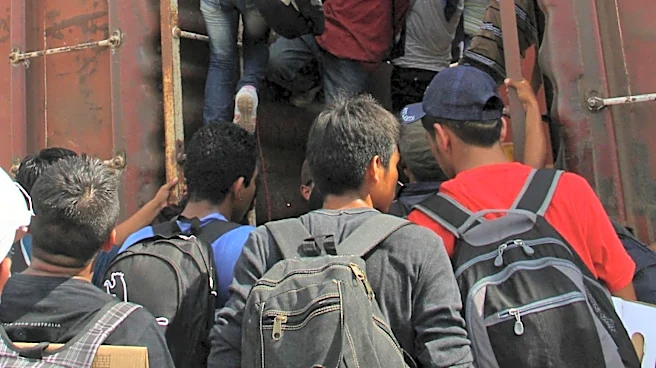
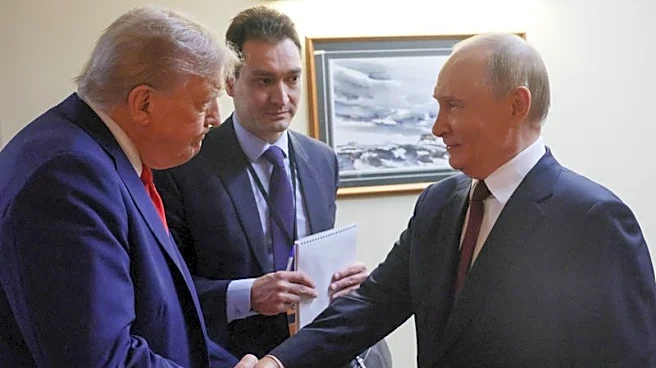
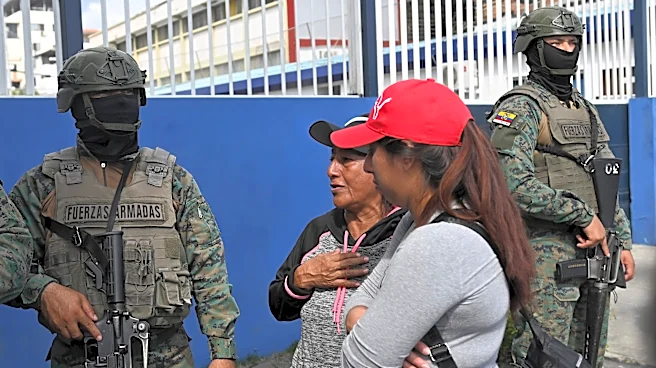
President Trump's administration launched the 'Shield of the Americas' initiative in March 2026, a program designed to combat drug cartels, organized crime, and irregular migration, while also aiming to reduce China's influence in Latin America. This
alliance has attracted several right-wing governments in the region. Among the nations that have joined are Argentina, Chile, Ecuador under Daniel Noboa, and El Salvador under Nayib Bukele. Colombia also became a member after the right-wing politician Abelardo de la Espriella won elections in May and June. The initiative was discussed at the Foro de Madrid, a gathering of ultra-right politicians from Europe, Latin America, and the U.S., held in Santiago, Chile. During this forum, U.S. representatives, including Sarah Rogers, a U.S. lawyer and Undersecretary of State, expressed support for securing borders against migration and emphasized the importance of the alliance. The Heritage Foundation, a U.S. think tank, also had a prominent presence, with its president, Kevin Roberts, advocating for the preservation of Western civilization against perceived threats.
Why It's Important?
The 'Shield of the Americas' initiative signifies a concerted effort by the U.S. to reassert its geopolitical influence in the Western Hemisphere, particularly in Latin America. By aligning with right-wing governments, the Trump administration aims to create a unified front against issues it deems critical, such as drug trafficking, organized crime, and irregular migration. This strategy also directly challenges China's growing economic and political footprint in the region, which the U.S. views as a strategic competitor. The participation of countries like Argentina, Chile, Ecuador, El Salvador, and Colombia indicates a shift in regional alliances and a potential strengthening of conservative political movements. For the U.S., this initiative could lead to enhanced cooperation on security matters and a more favorable environment for its economic and strategic interests. However, it also risks alienating countries that do not align with these conservative ideologies or that prefer a more independent foreign policy, potentially leading to increased regional polarization.
What's Next?
The 'Shield of the Americas' initiative is expected to continue fostering closer ties between the U.S. and its Latin American allies on issues of security and migration. Future efforts will likely focus on implementing joint strategies to combat drug cartels and organized crime, as well as developing policies to manage irregular migration. The U.S. Ambassador to Chile, Brandon Judd, indicated that U.S. policy, including the Donroe Doctrine, will be implemented to renew U.S. influence in the Western Hemisphere, particularly with cooperative governments like that of José Antonio Kast in Chile. The ongoing collaboration among these right-wing governments, supported by U.S. political figures and think tanks like the Heritage Foundation, suggests a sustained push to solidify a conservative bloc in the region. However, the long-term effectiveness and regional acceptance of this initiative will depend on its ability to address the complex socio-economic challenges of Latin American countries while navigating potential criticisms regarding human rights and democratic norms.
Beyond the Headlines
The 'Shield of the Americas' initiative, while framed around security and migration, carries deeper implications for democratic governance and human rights in Latin America. The emphasis on combating organized crime and irregular migration, coupled with the support for right-wing governments, could lead to policies that prioritize security at the expense of civil liberties. Reports from organizations like Human Rights Watch and Amnesty International, which have documented arbitrary detentions and human rights violations in countries like El Salvador under similar security models, highlight these concerns. The initiative's focus on countering China's influence also underscores a broader geopolitical competition, potentially forcing Latin American nations to choose sides between major global powers. This could impact their economic development and foreign policy autonomy. Furthermore, the ideological alignment promoted by the Foro de Madrid and supported by U.S. conservative groups suggests a long-term effort to shape the political landscape of the region, potentially leading to a more entrenched conservative order and further marginalizing progressive movements.