




What's Happening?
The U.S. government has issued a warning regarding an "ongoing cyber threat" targeting industrial refrigeration systems. A joint statement from the FBI, the Cybersecurity and Infrastructure Security Agency (CISA), and the departments of health, transport,
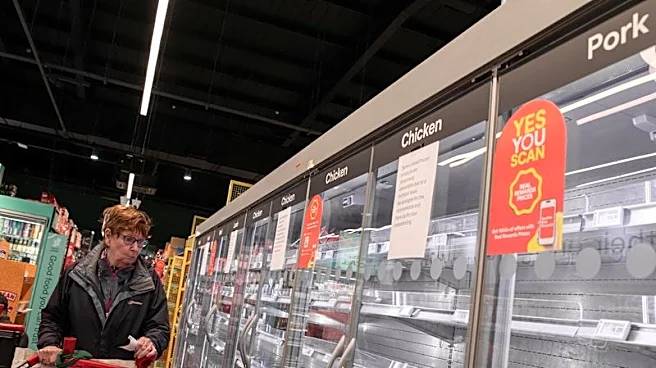
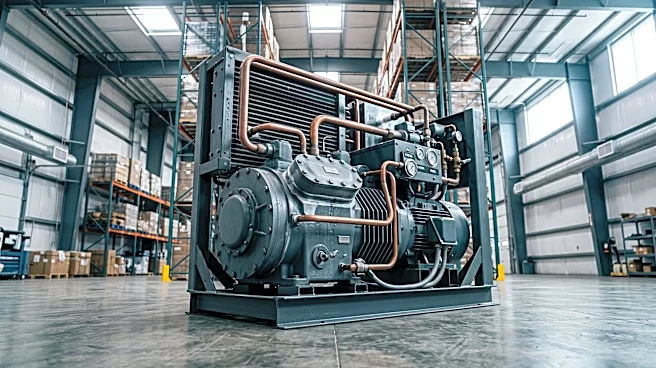
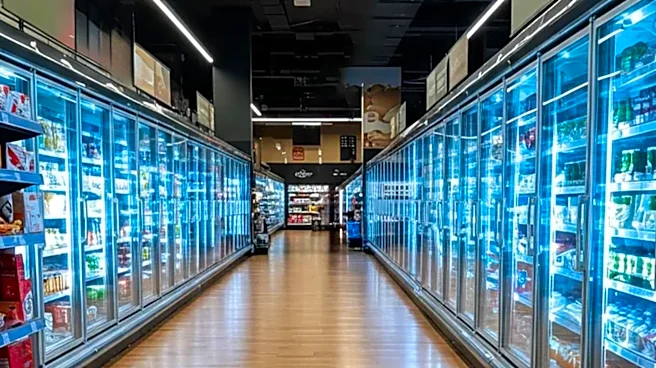
and agriculture indicates that unidentified "malicious cyber actors" are exploiting vulnerabilities in internet-accessible electronic temperature and commercial refrigeration controllers. These attacks are affecting retail grocery and cold storage facilities. If successful, these exploits could allow hackers to alter temperatures, potentially leading to physical damage such as fire hazards, significant loss of inventory, and reduced service life of the systems. Chris Butera, CISA's acting executive assistant director for cybersecurity, emphasized that any organization relying on refrigeration and monitoring systems should consider itself a potential target. FBI Cyber Branch Operations Director Brett Leatherman noted that these systems are being targeted across critical infrastructure sectors globally. The warning follows several recent incidents, including mysterious malfunctions in grocery store refrigeration units on U.S. military bases in August, which Pentagon investigators are treating as cyberattacks. Additionally, Europe has experienced multiple waves of hacks on commercial freezers, causing millions of euros in damages.
Why It's Important?
This cyber threat poses significant risks to the U.S. economy and public health. Industrial refrigeration systems are crucial for maintaining the cold chain, which is essential for food safety, pharmaceutical storage, and various other critical sectors. Successful attacks could lead to widespread food spoilage, shortages of essential goods, and potential health crises if temperature-sensitive medications or vaccines are compromised. The economic impact could be substantial, with businesses facing massive inventory losses, operational disruptions, and increased insurance costs. Furthermore, the targeting of critical infrastructure highlights a growing vulnerability in interconnected systems, potentially undermining national security. The warning underscores the need for robust cybersecurity measures across industries that rely on cold storage, as the interconnectedness of these systems makes them attractive targets for malicious actors seeking to cause economic disruption or gain leverage. The potential for physical impacts, such as fire hazards, also introduces direct safety concerns for facilities and personnel.
What's Next?
The U.S. government has urged operators of industrial refrigeration control systems to take immediate protective measures. These recommendations include disconnecting devices from the public internet, isolating them from corporate networks, and promptly applying all available software updates. It is anticipated that federal agencies will continue to monitor these threats and provide further guidance and intelligence to affected sectors. Businesses in the retail grocery, cold storage, and pharmaceutical industries are expected to enhance their cybersecurity protocols and invest in more resilient systems. There may also be increased collaboration between government agencies and private sector entities to develop and implement more effective defense strategies. The ongoing nature of these threats suggests that a sustained effort will be required to mitigate risks, potentially leading to new regulations or industry standards for securing industrial control systems. Cybersecurity firms are likely to see increased demand for their services as companies seek to bolster their defenses against these sophisticated attacks.
Beyond the Headlines
The escalating cyber threats to industrial refrigeration systems reveal a broader vulnerability in the digital transformation of critical infrastructure. As more operational technology (OT) systems become connected to the internet for efficiency and remote management, they also become exposed to cyber risks. This trend blurs the lines between traditional IT security and OT security, requiring a more integrated and comprehensive approach. The ease with which AI tools can be used to identify and exploit vulnerabilities, as demonstrated by recent research, suggests that the 'cat and mouse' game between attackers and defenders will intensify. This situation raises ethical questions about the responsible development and deployment of AI, particularly in the context of cybersecurity. Furthermore, the global nature of these attacks indicates a need for international cooperation and intelligence sharing to combat sophisticated cyber adversaries effectively. The long-term implications could include a re-evaluation of supply chain resilience and a greater emphasis on cyber-physical security to protect essential services from both digital and physical disruptions.