





What's Happening?
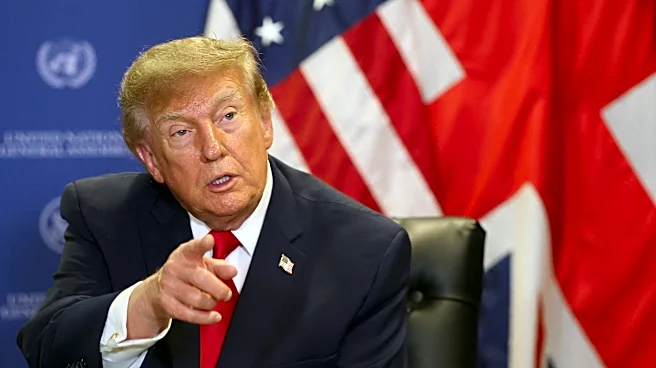
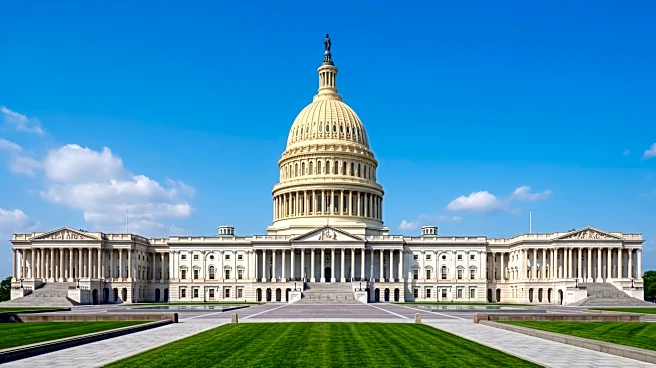
Bipartisan legislation, the Critical Infrastructure Manufacturing Feasibility Act, sponsored by Representative Mariannette Miller-Meeks and Senator Joni Ernst, has passed the U.S. Senate and is now advancing to President Trump's desk for signature. This
bill aims to bolster domestic manufacturing, enhance supply chain review, and create jobs within the United States, with a particular focus on Iowa. The legislation directs the Commerce Department to identify high-demand imported products and assess the feasibility of manufacturing them domestically. This assessment will include an examination of potential costs, benefits, and job impacts, specifically considering rural communities and all 16 critical infrastructure sectors. The bill was initially introduced in 2023 and passed the House in 2025, demonstrating sustained bipartisan support.
Why It's Important?
This legislation is significant for several reasons. Firstly, it addresses critical national security and economic concerns by aiming to reduce reliance on foreign supply chains for essential goods. By promoting domestic manufacturing, the U.S. can enhance its resilience against global disruptions and geopolitical tensions. Secondly, the bill has the potential to stimulate job creation and economic growth, particularly in rural areas, which often face economic challenges. This aligns with broader efforts to revitalize American industries and ensure economic stability. Thirdly, the bipartisan nature of the bill underscores a shared understanding across political divides regarding the importance of strengthening the U.S. manufacturing base. Its passage reflects a consensus on the need for strategic industrial policy to safeguard national interests and foster economic self-sufficiency. The focus on critical infrastructure sectors highlights the strategic importance of this initiative for national security.
What's Next?
Upon reaching President Trump's desk, the bill is expected to be signed into law, given its bipartisan support and alignment with stated goals of strengthening American manufacturing. Following its enactment, the Commerce Department will be tasked with implementing the directives outlined in the Critical Infrastructure Manufacturing Feasibility Act. This will involve conducting detailed studies to identify key imported products and evaluating the potential for domestic production. Businesses, particularly those in manufacturing and technology sectors, will likely monitor these developments closely for potential opportunities or shifts in industrial policy. The findings from the Commerce Department's assessments could inform future legislative actions, investment strategies, and public-private partnerships aimed at reshoring production and enhancing supply chain security. The focus on rural communities suggests potential for targeted economic development initiatives.
Beyond the Headlines
The Critical Infrastructure Manufacturing Feasibility Act represents a broader strategic shift towards economic nationalism and industrial policy in the United States. Beyond its immediate goals, the bill reflects a growing recognition that economic security is inextricably linked to national security. By systematically evaluating and promoting domestic production of critical goods, the U.S. is moving towards a more self-reliant economic model. This could lead to a re-evaluation of global trade agreements and a greater emphasis on domestic content requirements in various industries. The legislation also highlights the evolving role of government in economic planning, moving beyond a purely free-market approach to one that actively shapes industrial capabilities. This long-term shift could have profound implications for international trade relations, global supply chains, and the competitive landscape for American businesses, fostering a more resilient, albeit potentially more insular, economy.