


What's Happening?
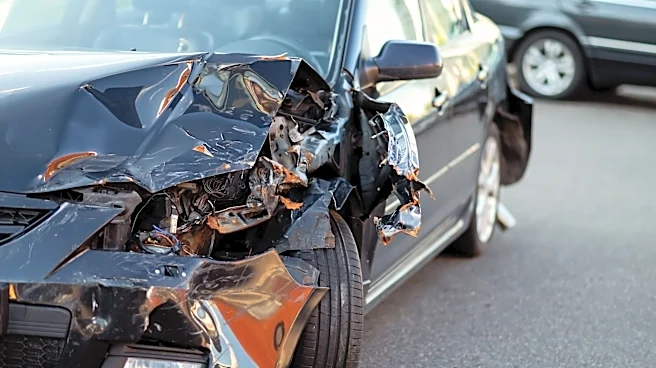
An investigation is underway following a fatal head-on rollover crash on Route 295 in Cumberland, Rhode Island, which resulted in the deaths of two Massachusetts drivers. The incident occurred on Thursday afternoon, with Rhode Island State Police responding
to reports of a wreck involving a Dodge Ram 1500, a Hyundai Ionic, and an Acura ADX. The drivers of the Dodge and Hyundai, identified as 29-year-old Joel Costa of Hyde Park and 44-year-old Jonathan Welch of Norton, were trapped in their vehicles. Costa was pronounced dead at the scene, while Welch later died at Rhode Island Hospital. Initial information from state police indicates that speed and loss of control by the Hyundai operator, Costa, were the primary causes of the crash. Witnesses reported Costa driving recklessly, speeding, and overtaking vehicles in the grassy median before striking a guardrail, veering into oncoming traffic, and colliding head-on with Welch's Dodge. The impact caused Welch's truck to roll over and sideswipe the Acura. Investigators also noted that neither Costa nor Welch were wearing seatbelts.
Why It's Important?
This tragic incident underscores the critical importance of safe driving practices and adherence to traffic laws, particularly regarding speed limits and seatbelt usage. The loss of two lives from a single event highlights the severe consequences of reckless driving behavior, not only for the individuals involved but also for their families and communities. The fact that neither driver was wearing a seatbelt further emphasizes the life-saving role of these safety devices, which are designed to mitigate injuries in the event of a collision. For residents of Massachusetts and Rhode Island, this event serves as a somber reminder of the shared responsibility drivers have on interstate highways to ensure the safety of all road users. It may prompt increased awareness campaigns or enforcement efforts regarding speeding and seatbelt compliance in both states, aiming to prevent similar tragedies in the future. The investigation's findings will be crucial in understanding all contributing factors and potentially informing future road safety initiatives.
What's Next?
The investigation into the head-on rollover crash is ongoing, with Rhode Island State Police continuing to gather information to fully understand the circumstances that led to the fatal collision. While initial findings point to speed and loss of control by the Hyundai operator as primary causes, further details may emerge as the investigation progresses. This could include a more detailed analysis of vehicle mechanics, road conditions, and any other contributing factors. The findings of this investigation could potentially influence public safety campaigns in both Massachusetts and Rhode Island, focusing on the dangers of reckless driving, the importance of maintaining control of a vehicle, and the critical necessity of wearing seatbelts. Law enforcement agencies in the region may also review their patrol strategies and enforcement priorities in response to this incident, particularly on busy interstate routes like Route 295, to enhance road safety and deter dangerous driving behaviors.
Beyond the Headlines
Beyond the immediate tragedy, this incident brings to light broader societal issues concerning driver behavior and public safety on roadways. The reported reckless driving by one of the operators, including speeding and overtaking in the median, points to a persistent challenge in enforcing traffic laws and promoting responsible driving habits. The absence of seatbelt use by both drivers, despite widespread public awareness campaigns and legal requirements, highlights a gap in compliance that continues to contribute to fatalities and severe injuries in vehicle crashes. This event could spark renewed discussions among policymakers and road safety advocates about the effectiveness of current enforcement measures, driver education programs, and public awareness campaigns. It also raises questions about the psychological factors that lead individuals to engage in high-risk driving behaviors and how these can be addressed through community engagement and targeted interventions to foster a stronger culture of road safety.