







What's Happening?
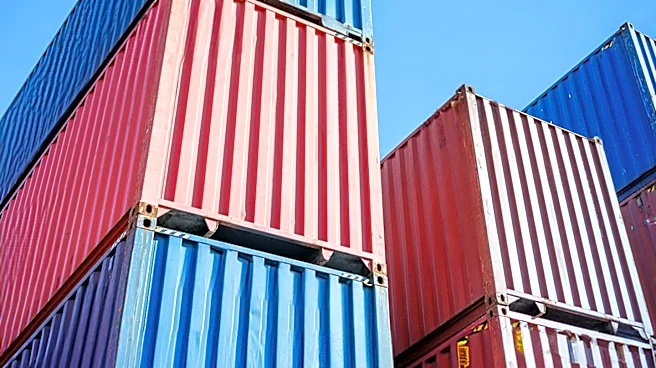
A study by researchers from the University of Wisconsin-Madison and Princeton has revealed that between 2000 and 2024, the Democratic Republic of Congo exported 2,000-5,000 metric tons of uranium as part of its cobalt supply chain. This uranium, which
was not reported to the International Atomic Energy Agency (IAEA), raises significant concerns about its potential use. The DRC is a major source of cobalt, essential for lithium-ion batteries, and uranium is often found alongside cobalt in the region.
Why It's Important?
The unreported export of uranium from the DRC poses potential risks to global security, as uranium can be used for both civilian nuclear energy and military purposes, including nuclear weapons. The lack of oversight and reporting to the IAEA undermines international non-proliferation efforts and raises questions about the material's end use. This situation highlights the need for stricter controls and transparency in the mining and export of radioactive materials.
What's Next?
The findings suggest a need for a comprehensive audit of mining activities in the DRC and the establishment of new regulations to separate uranium from the cobalt supply chain. Enhanced monitoring and compliance with international treaties are essential to prevent the misuse of uranium. The international community may increase pressure on the DRC to improve its reporting and regulatory frameworks to ensure the safe and peaceful use of its natural resources.