





What's Happening?
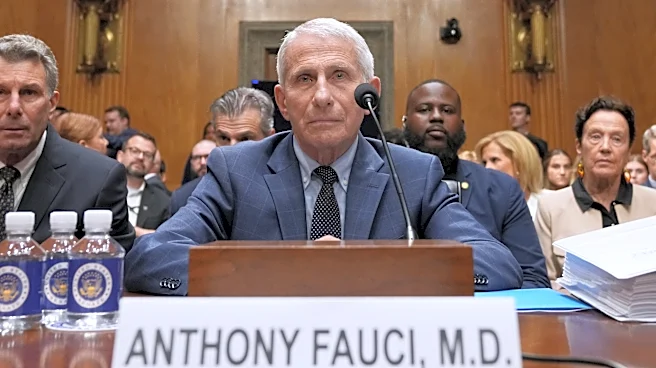
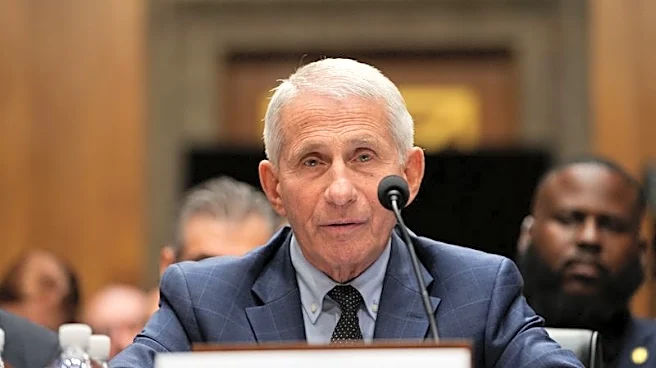
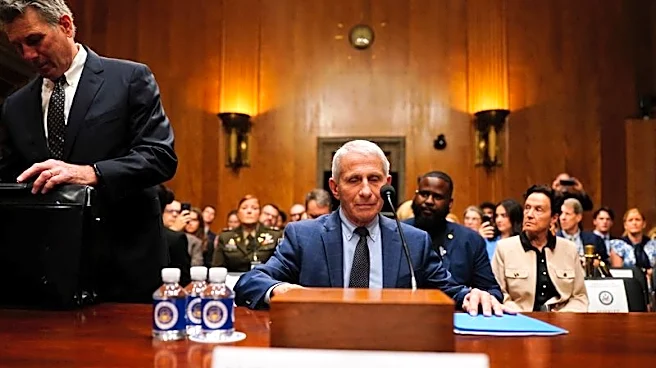
During a Senate hearing, Dr. Anthony Fauci invoked his Fifth Amendment right against self-incrimination, a move that has sparked legal debate. Senator Josh Hawley argued that Fauci should not have this right due to a pardon from President Joe Biden. Despite
this, Fauci repeatedly used the Fifth Amendment in response to questions about his handling of the COVID-19 pandemic. The hearing, chaired by Senator Rand Paul, focused on eliciting testimony from Fauci, who claimed the hearing was politically motivated. The legal complexities surrounding Fauci's rights, especially in light of his pardon, have become a focal point of discussion.
Why It's Important?
The invocation of the Fifth Amendment by a high-profile public health official like Fauci raises significant legal questions about the rights of pardoned individuals. This situation could have broader implications for how pardons are interpreted in relation to constitutional rights. The outcome of this legal debate may influence future congressional hearings and the accountability of public officials. Additionally, the political motivations behind the hearing highlight the ongoing tensions between different branches of government and the potential impact on public trust.
What's Next?
The Senate committee is expected to vote on whether to hold Fauci in contempt, which could lead to further legal proceedings. This decision will likely influence the political landscape and could set a precedent for how similar cases are handled in the future. The outcome may also affect Fauci's legacy and the public's perception of his role during the pandemic.