
What's Happening?
U.S. Senator John Hickenlooper has accused President Trump of profiting from the ongoing war with Iran, citing a report by the Joint Economic Committee Minority. According to the report, Colorado families
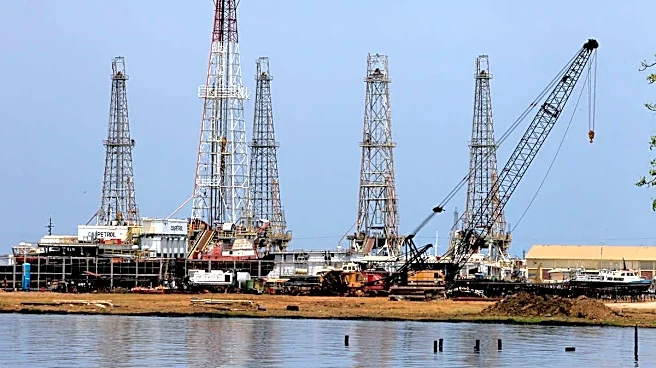
have collectively spent an additional $1.3 billion on gas since the war began, averaging $583 more per family. Senator Hickenlooper highlighted that President Trump's oil and gas stock portfolio, valued at up to $45.6 million at the end of 2025, has increased to $61.1 million. Hickenlooper stated that President Trump has a vested interest in prolonging the conflict, asserting that while Colorado families struggle with high gas prices, the President is financially benefiting from the war. He called for an end to the conflict and a focus on addressing the rising costs affecting working families.
Why It's Important?
This situation is important as it raises questions about potential conflicts of interest at the highest levels of government, particularly concerning a sitting President's financial holdings and their perceived impact on foreign policy and domestic economic conditions. The alleged financial gain by President Trump from oil and gas stocks during a period of conflict and rising energy prices could erode public trust in leadership and fuel debates about ethical governance. For U.S. consumers, the increased gas prices directly impact household budgets, potentially leading to reduced discretionary spending and broader economic strain. The accusation also highlights the ongoing political polarization surrounding the Iran conflict and its economic repercussions, influencing public opinion and future electoral dynamics.
What's Next?
Senator Hickenlooper has indicated his continued efforts to lower costs for Americans, including championing the bipartisan Patients Deserve Price Tags Act to increase transparency in healthcare pricing and working on the 21st Century ROAD to Housing Act to address affordable housing shortages. He plans to continue speaking out against President Trump's war with Iran and its economic impacts. The allegations of presidential profiteering from conflict are likely to be a recurring theme in political discourse, potentially leading to further investigations or calls for greater financial transparency from public officials. The public's reaction to these claims, especially concerning the economic burden of gas prices, could influence upcoming elections and policy debates.
Beyond the Headlines
The deeper implications of this situation extend to the ethical boundaries of presidential conduct and the intersection of personal financial interests with national policy. The accusation that a President might benefit financially from a war raises fundamental questions about accountability and the potential for private gain to influence decisions of national and international consequence. This scenario could prompt broader discussions about stricter regulations on financial disclosures for high-ranking government officials and mechanisms to prevent conflicts of interest during times of crisis. It also underscores the ongoing challenge of maintaining public trust when economic hardships are perceived to be linked to the personal wealth of leaders, potentially fostering cynicism towards political institutions.