
What's Happening?
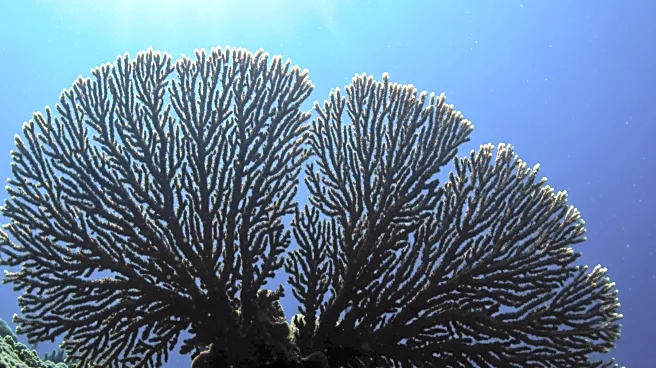
Marine biologists have discovered an exceptionally large black coral in the deep waters of Fiordland, New Zealand. The coral, measuring over 13 feet tall and nearly 15 feet wide, is estimated to be between
300 and 400 years old. This discovery was made by a team led by scientists from Te Herenga Waka–Victoria University of Wellington. Professor James Bell, a marine biologist with extensive experience, described the coral as 'absolutely huge,' noting that it is significantly larger than typical black corals, which are usually less than two to three meters tall. The discovery is significant as larger, older corals serve as vital breeding stocks for this slow-growing species. The team aims to protect these corals by advising on areas where fishing gear and anchors should not be used to prevent damage.
Why It's Important?
The discovery of such a large and ancient coral is crucial for understanding and preserving marine biodiversity. Black corals are important habitats for deep-sea animals and are used in various cultures for medicine and jewelry. Their slow growth and long lifespans make them particularly vulnerable to environmental disturbances. Protecting these corals is essential for maintaining the ecological balance in marine environments. The research team is collaborating with the New Zealand Department of Conservation and the Fiordland Marine Guardians to map the distribution of these corals, which will aid in their conservation. This effort highlights the importance of marine conservation and the need to protect vulnerable species from human activities.
What's Next?
Researchers are encouraging divers and boaters to report sightings of large black corals to help map their distribution and assess their prevalence in Fiordland. This data will be crucial for developing conservation strategies to protect these corals from potential threats. The collaboration between scientists and conservationists aims to create guidelines for marine activities to minimize damage to these fragile ecosystems. Continued research and monitoring will be necessary to ensure the long-term survival of these ancient corals and the species that depend on them.
Beyond the Headlines
The discovery of this massive black coral also raises awareness about the broader impacts of climate change and human activities on marine ecosystems. As ocean temperatures rise and human activities increase, the vulnerability of slow-growing species like black corals becomes more pronounced. This finding underscores the need for global efforts to mitigate climate change and protect marine biodiversity. It also highlights the role of scientific research in informing conservation policies and the importance of public engagement in reporting and protecting natural wonders.