
What's Happening?
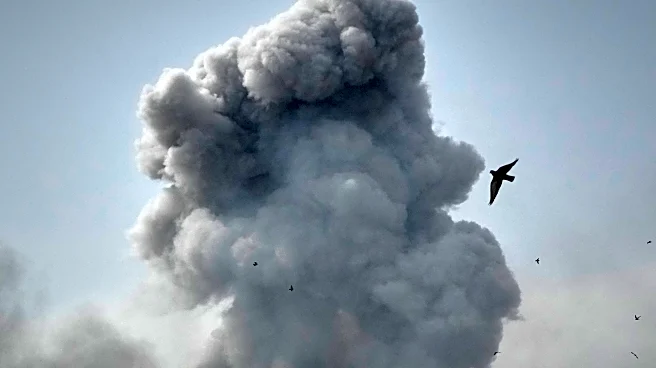
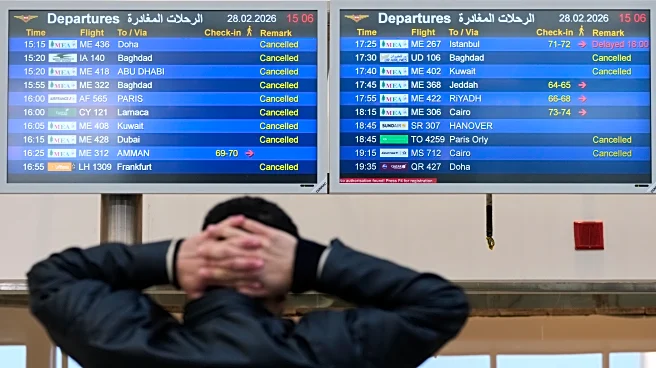
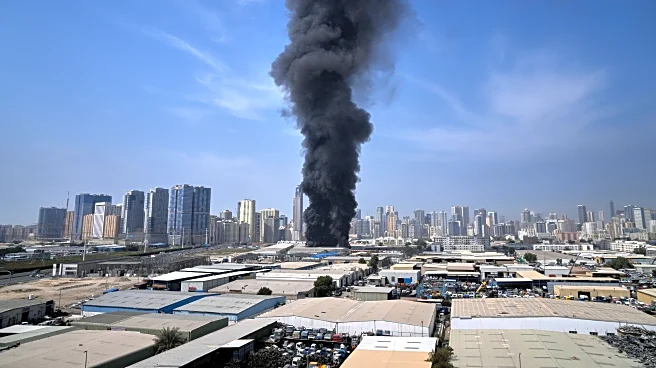
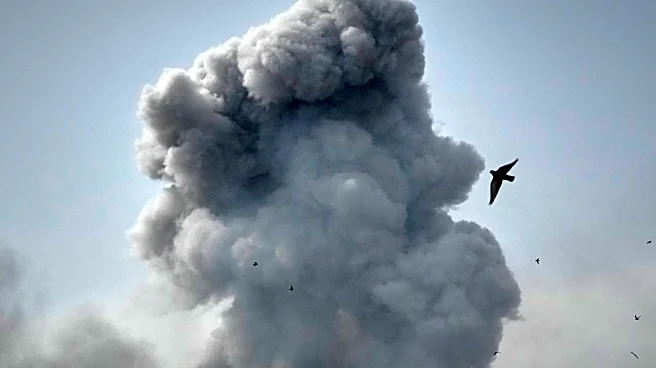
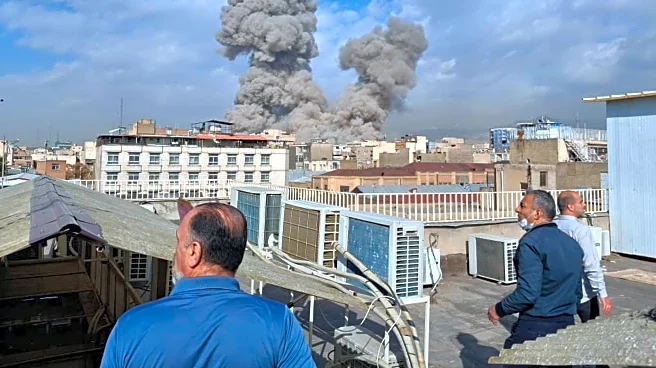
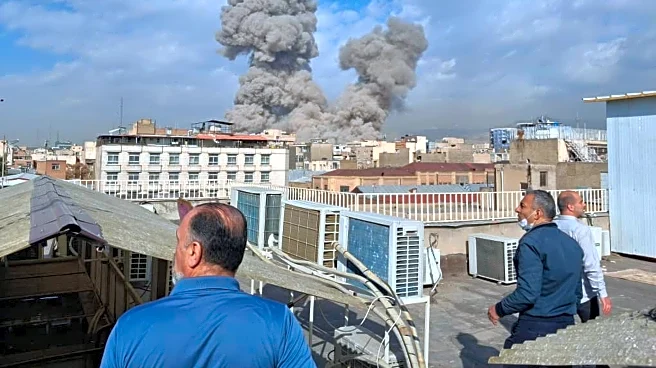
The ongoing conflict in the Middle East, particularly the U.S. and Israel's military actions against Iran, has led to significant disruptions in global energy markets. Qatar has shut down its largest LNG export facility, and Saudi Arabia has suspended
operations at its major oil refinery. Additionally, tanker traffic through the Strait of Hormuz, a crucial passage for global oil shipments, has nearly halted. These developments are causing the most significant disruption to oil and gas markets since Russia's invasion of Ukraine in 2022. The conflict is expected to continue for several weeks, potentially reshaping energy markets worldwide.
Why It's Important?
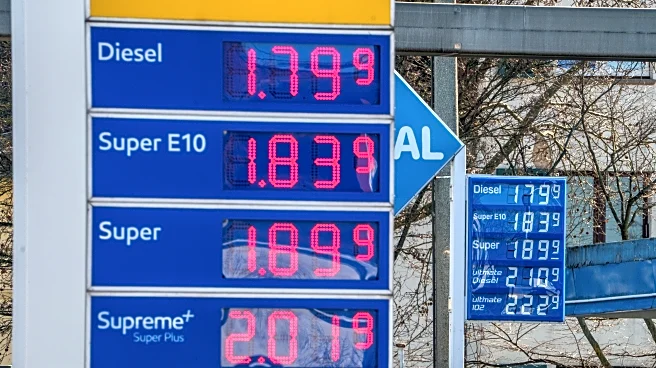
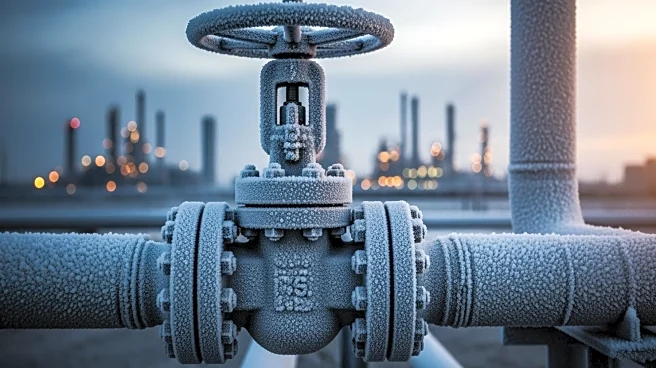
The disruptions in the Middle East are likely to lead to higher oil and gas prices, which could have a ripple effect on global economies. Higher energy prices can make alternative technologies more competitive, encouraging investment in renewables like solar and wind. However, the increased costs could also lead to inflation, prompting central banks to raise interest rates, which would make financing clean energy projects more expensive. This situation highlights the delicate balance between energy security and the transition to sustainable energy sources. Countries heavily reliant on energy imports may face economic challenges, while those with domestic resources might reconsider their energy strategies.
What's Next?
As the conflict continues, countries will need to assess their energy strategies and consider diversifying their energy sources to reduce reliance on volatile regions. Policymakers may accelerate the transition to renewable energy to enhance energy security. In the short term, nations may seek alternative suppliers to mitigate supply disruptions. The situation could also prompt discussions on increasing domestic energy production and investing in infrastructure to support energy independence. The global response to these disruptions will be crucial in shaping future energy policies and market dynamics.