



What's Happening?
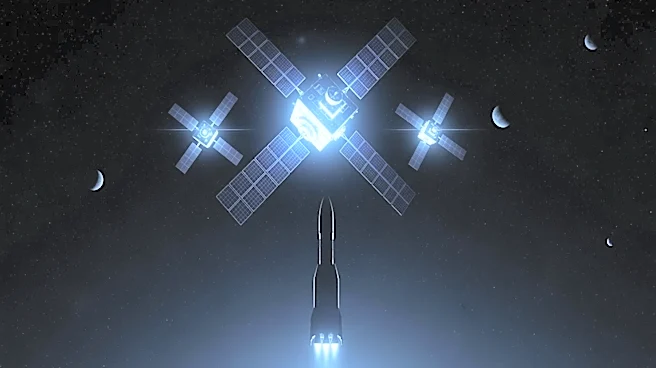
SpaceX has successfully launched 29 Starlink satellites into low Earth orbit using a Falcon 9 rocket from Cape Canaveral Space Force Station. The launch occurred at 8:57 a.m. EDT on May 29, marking the 61st launch of the year for SpaceX. The Falcon 9's
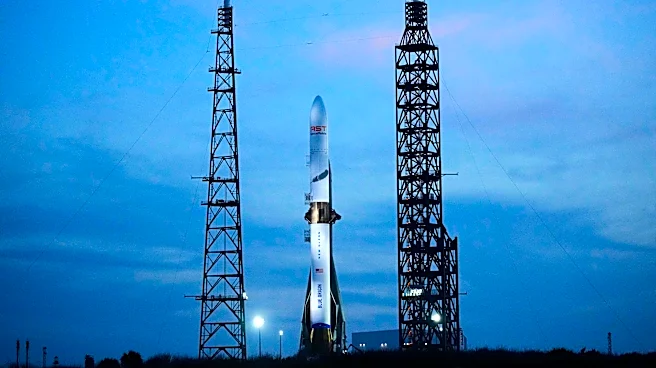
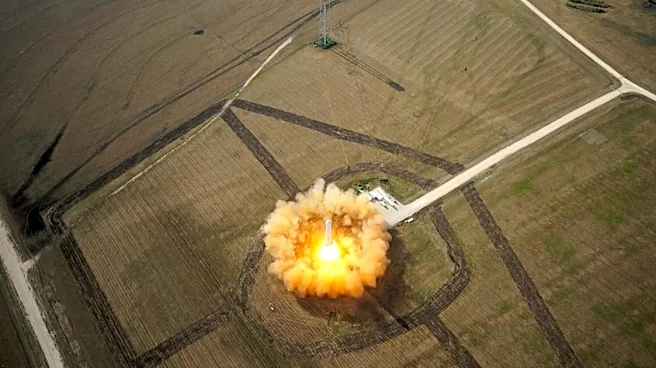
first stage, Booster 1085, completed its 16th reuse by landing on the droneship 'A Shortfall of Gravitas' in the Atlantic Ocean. This launch increases the total number of active Starlink satellites to over 10,400, enhancing global internet connectivity. The event follows a Blue Origin rocket explosion at a nearby launch pad, which has raised concerns about potential delays in other space missions.
Why It's Important?
The successful deployment of additional Starlink satellites underscores SpaceX's leadership in the commercial space sector and its commitment to expanding global internet access. The Starlink network provides connectivity in remote areas and supports in-flight WiFi and direct-to-cell services. This launch highlights SpaceX's operational efficiency and the reliability of its reusable rocket technology. In contrast, the Blue Origin setback may impact its future launch schedules and partnerships, emphasizing the challenges and risks inherent in space exploration.
What's Next?
SpaceX will continue to expand its Starlink constellation, with more launches planned to enhance network coverage and capacity. The company aims to further develop its satellite internet services, potentially entering new markets and applications. Meanwhile, Blue Origin will need to investigate the cause of its rocket explosion and address any safety and operational concerns. The incident may prompt a review of launch protocols and impact timelines for upcoming missions, including those involving Amazon's satellite network.