




What's Happening?
Effective September 18, new immigration guidance from U.S. Citizenship and Immigration Services (USCIS) will broaden the scrutiny of finances and public benefit usage for individuals seeking U.S. green cards. This change means that USCIS officers may
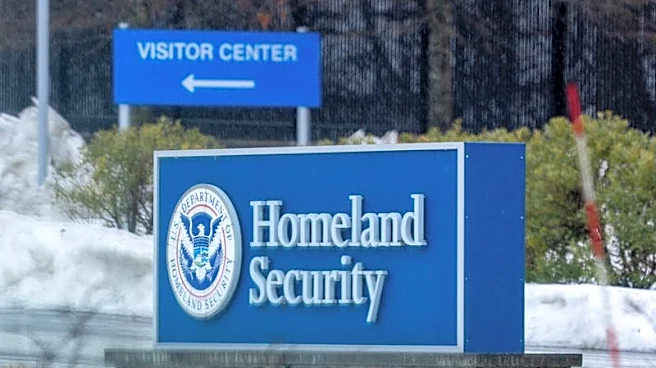
now consider a wider range of means-tested benefits, including housing assistance, food stamps, and college financial aid, when determining if an applicant is likely to become a 'public charge.' This guidance follows the Department of Homeland Security's decision to rescind the 2022 Biden-era public charge regulations. The new rule will apply to Form I-485 applications for permanent residence or adjustment of status that are submitted on or after September 18. Applications filed between December 23, 2022, and September 17, 2026, will continue to be processed under the previous 2022 regulations. The change is expected to impact thousands of immigrants, particularly those from India, who accounted for 4.9 percent of the 1.36 million people granted lawful permanent residence in fiscal year 2024. Most family-sponsored and employment-based applicants will be subject to this expanded assessment, while several humanitarian and special immigration categories are exempt.
Why It's Important?
This new green card rule carries significant implications for U.S. immigration policy and the lives of prospective immigrants. By expanding the definition of public benefits considered in 'public charge' determinations, the U.S. government is raising the bar for eligibility, potentially making it more challenging for individuals with limited financial resources or those who have utilized social safety nets to obtain permanent residency. This could disproportionately affect lower-income applicants and those from countries with large immigrant populations in the U.S., such as India. The policy shift reflects a broader debate within U.S. politics regarding immigration and the economic self-sufficiency of new residents. It could lead to a reduction in the number of green cards issued to individuals deemed likely to rely on public assistance, thereby altering the demographic and economic profile of future immigrant populations. For U.S. industries that rely on immigrant labor, particularly in sectors where employment-based green cards are common, this rule could impact the availability of skilled workers. Additionally, the requirement for a cash or surety bond for those found inadmissible on public charge grounds introduces a new financial barrier, potentially favoring wealthier applicants.
What's Next?
As the new rule takes effect on September 18, applicants for permanent residence or adjustment of status will need to carefully review their financial history and public benefit usage. Immigration attorneys and advocacy groups are likely to provide updated guidance and resources to help applicants navigate these stricter requirements. USCIS officers will begin applying the expanded criteria, examining five statutory factors: age, health, family status, assets and financial position, and education and skills. The agency has stated that receiving a covered benefit alone will not lead to rejection, and decisions will be made based on the 'totality of the circumstances.' However, the increased scrutiny means applicants will need to demonstrate a stronger likelihood of financial independence. There may be legal challenges to the new rule from immigrant rights organizations, potentially leading to court interventions or further policy adjustments. The long-term impact on immigration patterns and the U.S. economy will be closely monitored, with potential implications for labor markets and social services.
Beyond the Headlines
The expanded public charge rule delves into the ethical and societal dimensions of immigration, raising questions about the balance between national interests and humanitarian concerns. Critics argue that such policies can deter eligible immigrants from accessing essential public services, even if they are legally entitled to them, out of fear of jeopardizing their immigration status. This 'chilling effect' could have adverse public health and social welfare consequences, particularly for vulnerable populations. The rule also highlights a philosophical tension in immigration policy: whether the primary goal is to attract individuals who are immediately self-sufficient or to embrace a broader range of contributors to society, including those who may need temporary support. The emphasis on financial independence could reshape the perception of who is considered a 'desirable' immigrant, potentially favoring those with higher incomes or specific skill sets. This shift could lead to a less diverse immigrant population and impact the social fabric of communities that have historically welcomed individuals from various socioeconomic backgrounds. The policy also underscores the ongoing political debate about the role of government in providing social safety nets and the extent to which immigrants should be expected to contribute to or draw from these systems.