







What's Happening?
Nicklaus Children's Hospital in South Florida has become the first in the region to offer a sedation-free procedure for evaluating the upper gastrointestinal tract in children. This new method, known as transnasal endoscopy, is particularly beneficial
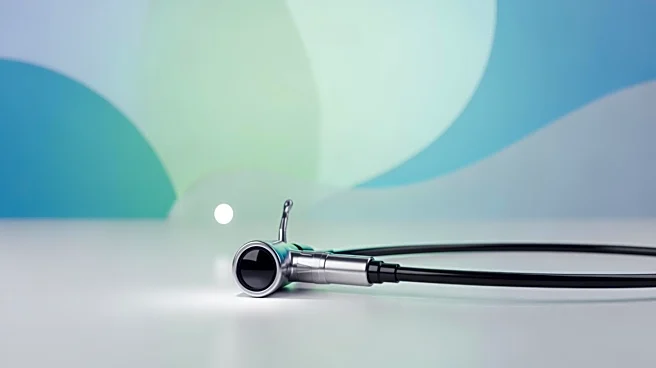
for children with eosinophilic esophagitis (EoE), a condition that often requires multiple endoscopies. The procedure is performed using the EvoEndo® Sedation-Free Transnasal Endoscopy Scope, which is inserted through the nose, allowing doctors to examine the esophagus, stomach, and upper small intestine without the need for sedation. This approach eliminates the need for intravenous lines and reduces recovery time, making it a more convenient option for families. The procedure can be completed in about an hour in an outpatient setting, with virtual reality used to help relax patients.
Why It's Important?
The introduction of sedation-free endoscopy at Nicklaus Children's Hospital represents a significant advancement in pediatric care. For families dealing with EoE, the traditional endoscopy process can be disruptive, requiring fasting, sedation, and recovery time, which often results in missed school and work. By offering a sedation-free alternative, the hospital reduces these inconveniences, potentially lowering healthcare costs and improving the quality of life for affected families. This innovation could set a precedent for other hospitals, encouraging wider adoption of less invasive procedures in pediatric care, ultimately benefiting a larger patient population.
What's Next?
As Nicklaus Children's Hospital implements this new procedure, it may lead to increased interest and demand for sedation-free endoscopy in other regions. The hospital's success could prompt other healthcare facilities to adopt similar technologies, expanding access to less invasive diagnostic options for children. Additionally, ongoing research and feedback from patients and families will likely refine the procedure, enhancing its effectiveness and patient experience. The hospital may also explore further applications of this technology for other gastrointestinal conditions, broadening its impact on pediatric healthcare.