




What's Happening?
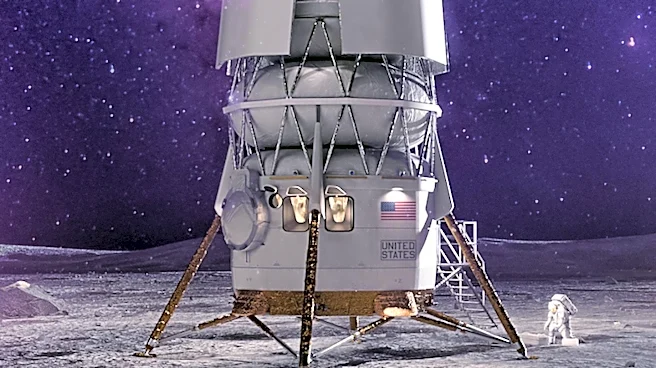
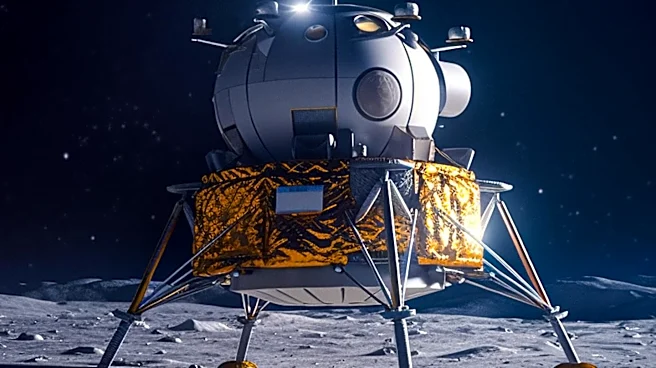
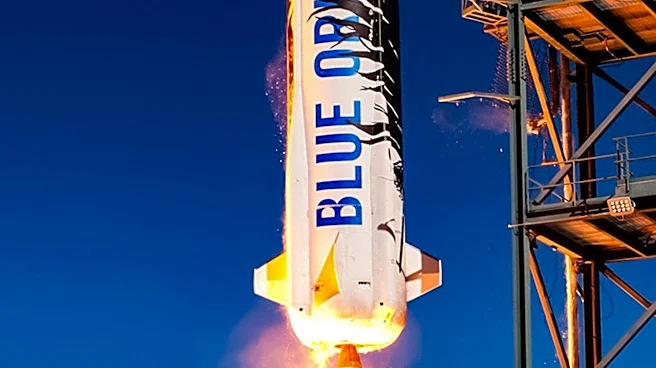
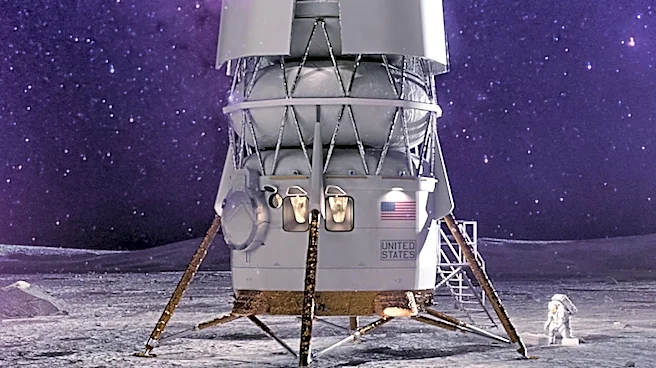
NASA has announced a partnership with Blue Origin to conduct second stage hot fire testing for the New Glenn rocket at the Stennis Space Center in Mississippi. This collaboration is part of NASA's efforts to advance the Artemis program, which aims to return
humans to the Moon and establish a sustainable presence there. The testing will utilize the B-2 test stand, a facility with a rich history of supporting space exploration. The agreement highlights NASA's commitment to working with commercial partners to achieve its space exploration goals, with testing set to begin in the fall. This partnership is expected to bolster the capabilities needed for future crewed missions to the Moon and beyond.
Why It's Important?
The collaboration between NASA and Blue Origin is a significant step in advancing the Artemis program, which seeks to reestablish American leadership in space exploration. By leveraging commercial partnerships, NASA can accelerate the development of technologies necessary for lunar missions, potentially reducing costs and increasing efficiency. The use of the B-2 test stand for New Glenn rocket testing underscores the importance of public-private partnerships in achieving ambitious space exploration goals. This initiative also supports high-skilled jobs and technological innovation in the U.S., contributing to the country's competitive edge in the global space industry.
What's Next?
As testing begins, NASA and Blue Origin will focus on ensuring the New Glenn rocket meets the rigorous standards required for lunar missions. The success of these tests will be crucial for the planned Artemis missions, which include landing astronauts on the Moon and establishing a lunar base. The partnership may also pave the way for future collaborations between NASA and other commercial space companies, further integrating private sector capabilities into national space exploration efforts. The outcomes of this testing phase will likely influence the timeline and scope of upcoming Artemis missions, with potential implications for international space cooperation and competition.