

What's Happening?
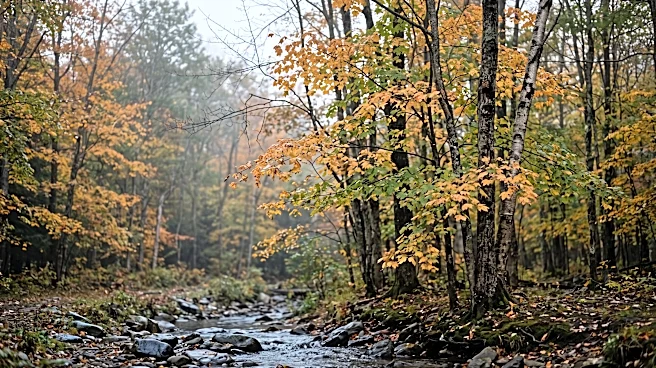
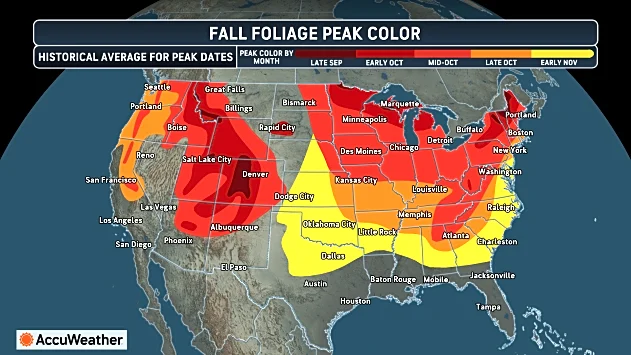
Predicting the exact timing and vibrancy of peak fall foliage in the United States is becoming increasingly difficult due to the impacts of climate change. Experts, including William Keeton, a professor of forest ecology and forestry at the University
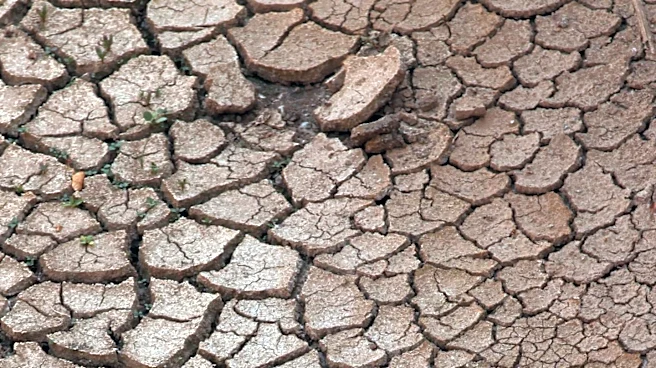
of Vermont, note that various factors like rain and temperature influence fall colors, and climate change 'scrambles the deck.' Warmer temperatures, particularly warmer nighttime temperatures extending later into the fall, can delay the onset of fall foliage. Additionally, extreme weather events such as droughts and heavy rainfall can affect the vividness of colors, while a sudden cold snap might cause leaves to drop prematurely. The years 2015 through 2025 have been recorded as the warmest globally, and this heat directly impacts trees and their seasonal changes.
Why It's Important?
The unpredictability of fall foliage has significant implications for the U.S. tourism industry, particularly in regions like New England, where 'leaf-peeping' generates over $8 billion annually. Businesses reliant on fall tourism, including hotels, restaurants, and local shops, face challenges in planning and marketing if peak foliage times shift or become less vibrant. This economic impact extends to other popular fall foliage destinations across the country. Beyond tourism, changes in fall foliage patterns serve as a visible indicator of climate change's broader ecological effects. Altered timing of leaf changes can disrupt ecosystems, affecting wildlife that depend on seasonal cues for migration, hibernation, or food sources. Understanding these shifts is crucial for environmental scientists and policymakers to assess the long-term health of forests and develop strategies to mitigate climate change impacts.
What's Next?
As climate change continues, the variability in fall foliage timing and intensity is expected to persist, making accurate predictions even more challenging. Researchers will likely continue to study the complex interplay of temperature, precipitation, and other environmental factors on tree physiology to better understand and forecast these changes. For the tourism industry, adapting to these unpredictable patterns may involve more flexible marketing strategies and promoting a wider window for fall visits rather than focusing on a narrow 'peak' period. Public awareness campaigns about the effects of climate change on natural phenomena like fall foliage could also become more prevalent, encouraging greater environmental stewardship and support for climate action.
Beyond the Headlines
The changing patterns of fall foliage highlight a deeper ecological concern: the resilience of forest ecosystems to a rapidly changing climate. Trees, like all living organisms, have evolved to respond to specific seasonal cues. Disruptions to these cues can stress trees, making them more susceptible to pests, diseases, and other environmental pressures. The aesthetic loss of vibrant fall colors, while seemingly minor, can have a profound psychological impact, as these natural displays are deeply ingrained in cultural traditions and seasonal celebrations. This phenomenon serves as a tangible and relatable example of how climate change affects everyday life and the natural beauty of the U.S., potentially galvanizing public support for climate mitigation and adaptation efforts. It underscores the interconnectedness of climate, ecology, economy, and culture.