






What's Happening?
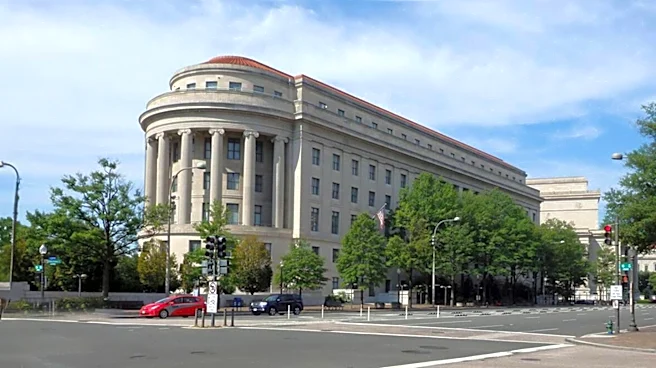
A bipartisan group of lawmakers, including Senators Elizabeth Warren and Jim Banks, and Representatives Becca Balint and Ben Cline, have introduced a resolution directing the Federal Trade Commission (FTC) to investigate potential anticompetitive practices
in the fire truck manufacturing industry. The resolution is supported by the International Association of Fire Fighters (IAFF) and the American Economic Liberties Project. It aims to address concerns over market consolidation, which has led to increased prices and delivery delays for fire trucks. The investigation will explore the financial and operational impacts on fire departments and municipalities, and suggest possible legislative or regulatory remedies.
Why It's Important?
The investigation into the fire truck industry is significant as it addresses the challenges faced by fire departments across North America, including soaring apparatus prices and extended delivery times. These issues are attributed to market consolidation, where three manufacturers control over 70% of the U.S. market. The rising costs and delays have forced departments to maintain outdated equipment, potentially compromising public safety. The resolution highlights the broader issue of how market dynamics and private equity investments can impact essential public services. The outcome of the FTC investigation could lead to regulatory changes that ensure fair competition and protect public interests.
What's Next?
The FTC is expected to report its findings to Congress within a year, detailing any anticompetitive practices and their effects. The resolution also mandates that the FTC notify Congress if companies fail to cooperate with the investigation. The findings could prompt legislative or regulatory actions to address the identified issues. Additionally, ongoing lawsuits alleging antitrust violations by fire truck manufacturers may influence the investigation's outcomes. The resolution and subsequent actions could set a precedent for how similar industries are regulated to prevent market abuses and protect public services.