




What's Happening?
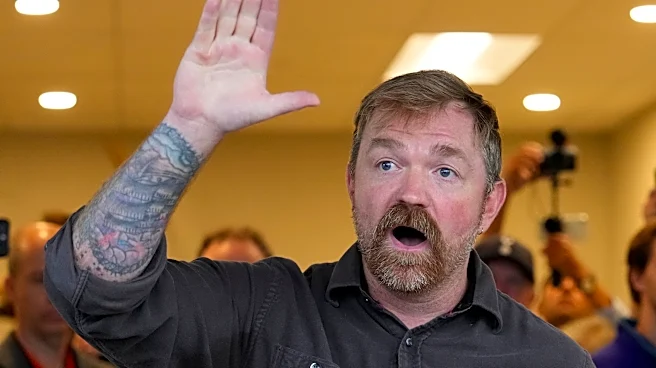
Central Iowa Water Works (CIWW) has implemented a lawn watering ban affecting 600,000 residents in the Des Moines area due to high nitrate levels in water sources. The decision was announced by Tami Madsen, CIWW's executive director, who cited the need
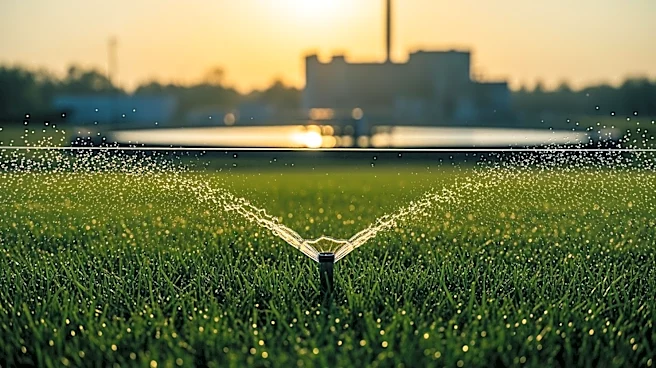
to preserve treatment capacity and ensure reliable water service. The ban is part of Stage III of CIWW's Water Use Plan, activated when customer demand exceeds 90% of treatment plant capacity. The ban restricts lawn watering, except for newly installed sod or seed, and limits irrigation of sports fields and golf courses to essential levels. Decorative water features that do not recirculate water must be turned off. The move follows a voluntary reduction request earlier in the spring, which was insufficient to curb demand. CIWW's treatment plants are struggling to manage the high nitrate concentrations, which are primarily attributed to agricultural runoff. The U.S. Environmental Protection Agency sets a legal limit of 10 milligrams per liter for nitrates in public drinking water, but levels have been recorded as high as 12.3 milligrams per liter in some sources.
Why It's Important?
The lawn watering ban highlights the ongoing challenges of managing water quality and supply in the face of agricultural pollution. High nitrate levels pose health risks and strain water treatment facilities, leading to increased operational costs. The situation underscores the need for effective water management strategies and highlights the impact of agricultural practices on public resources. The ban aims to reduce water demand, ensuring safe drinking water remains available. It also raises awareness about the importance of water conservation and the role of consumers in mitigating environmental impacts. The decision affects a significant portion of Iowa's population, emphasizing the broader implications of water quality issues on public health and infrastructure.
What's Next?
CIWW will continue to monitor nitrate levels and water demand, adjusting restrictions as necessary. The organization may implement further conservation measures if conditions do not improve. Enforcement of the ban will be managed by individual member agencies, with potential penalties for non-compliance. The situation may prompt discussions on long-term solutions to address agricultural runoff and improve water quality. Stakeholders, including local governments and agricultural producers, may need to collaborate on sustainable practices to prevent future crises. Public education campaigns on water conservation and the environmental impact of nitrate pollution could also be expanded.