




What's Happening?
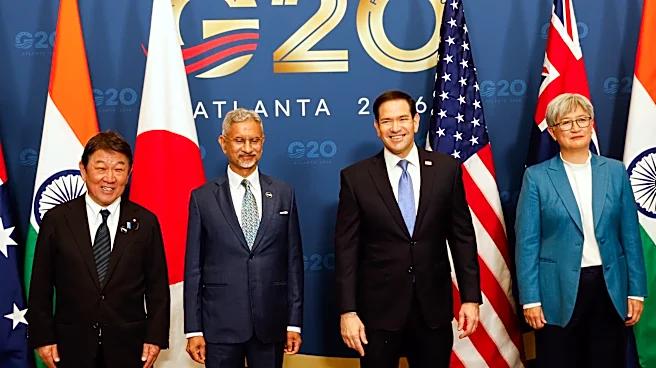
Turkish Foreign Minister Hakan Fidan has called on Russia and Ukraine to reach a peace agreement, emphasizing the significant damage the nearly five-year conflict has inflicted on the global economy and the risk of further regional escalation. Speaking
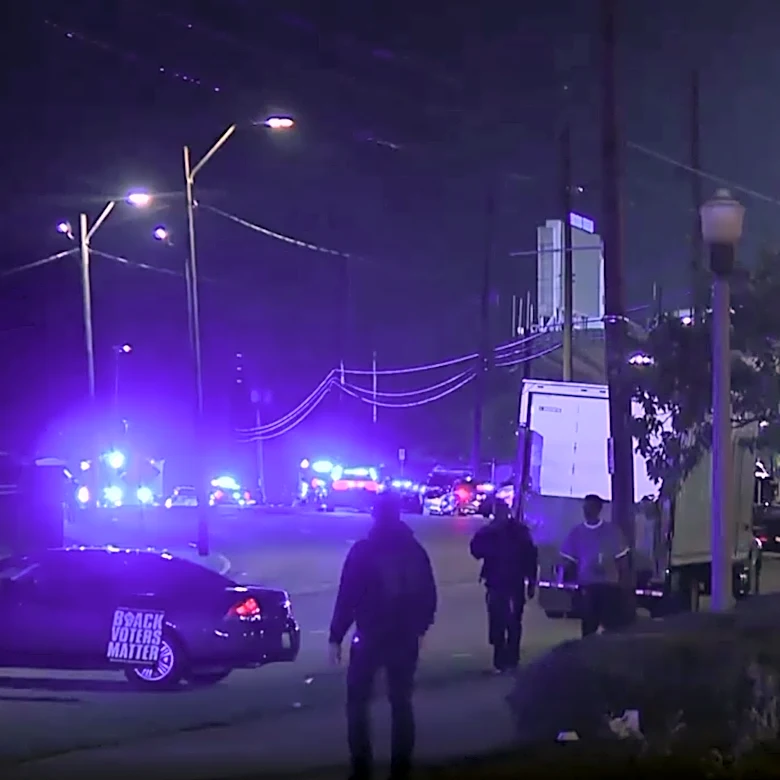
on the sidelines of a G20 foreign ministers’ meeting in Atlanta, Fidan highlighted the increasing economic and social costs, particularly for European countries, making the ongoing wars unsustainable. He stressed that a lasting settlement would require not only peace between Russia and Ukraine but also an improved relationship between Russia and Europe. Fidan noted that any peace agreement between the two nations would have broader implications, necessitating a redefinition of the relationship between Europe and Russia.
Why It's Important?
This call for peace from a prominent NATO member like Turkey underscores the growing international concern over the prolonged conflict's impact. The emphasis on the global economic damage and the risk of regional escalation highlights the far-reaching consequences beyond the immediate combatants. For the U.S. and its allies, a stable resolution in Eastern Europe is crucial for geopolitical stability and economic recovery. The suggestion of redefining the relationship between Europe and Russia post-conflict indicates a potential shift in international alliances and trade dynamics, which could affect U.S. foreign policy and economic interests. A continued conflict could further strain global supply chains, exacerbate inflation, and divert resources from other pressing international issues, impacting U.S. economic and security priorities.
What's Next?
The immediate next steps involve continued diplomatic efforts and discussions among international bodies like the G20. While Turkey's call for peace is significant, the willingness of both Russia and Ukraine to engage in meaningful negotiations remains a critical factor. The U.S. and European allies will likely continue to support Ukraine while exploring diplomatic avenues to de-escalate the conflict. The potential for a redefined relationship between Europe and Russia suggests that future security architectures and economic partnerships in the region could undergo substantial changes, requiring careful navigation by U.S. policymakers. The ongoing conflict will continue to be a central topic in international forums, with pressure mounting for a resolution.
Beyond the Headlines
Beyond the immediate geopolitical and economic concerns, the Turkish Foreign Minister's statement touches upon the broader ethical implications of prolonged warfare. The 'unsustainable' nature of the conflict, as described by Fidan, points to the human cost and the erosion of international norms. The call for reconciliation between Europe and Russia, while challenging, suggests a long-term vision for regional stability that goes beyond a mere cessation of hostilities. This perspective implies a need for deeper dialogue on security frameworks and mutual trust-building, which could influence future approaches to international conflict resolution and the role of diplomacy in preventing widespread suffering and economic disruption.