



What's Happening?
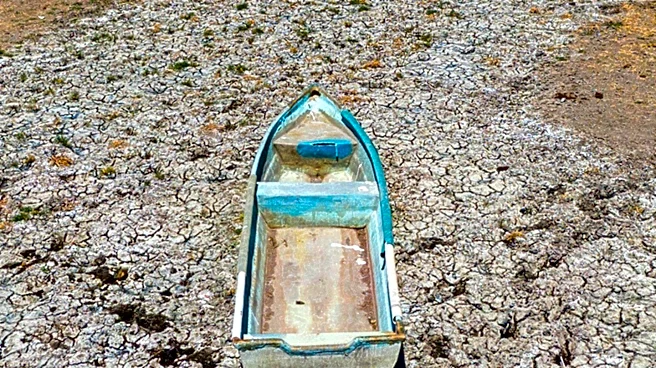
In 2025, extreme drought affected nearly 52% of the world's land for at least one month, marking the second-highest level ever recorded. This finding comes from a paper published ahead of the UN climate summit Cop31, which tracked 54 indicators related
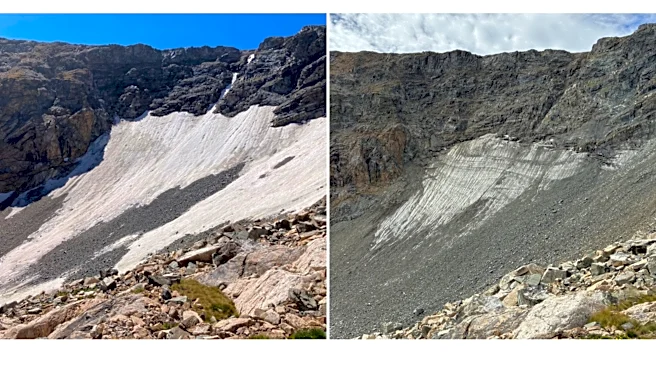
to health and climate. The research, led by University College London (UCL) and produced in collaboration with the World Health Organization (WHO), highlights that the rate of increase in climate-related health threats is accelerating. The report also indicates that heat-related deaths have reached a record high, and the economic toll is disproportionately affecting vulnerable sectors and communities. Furthermore, new satellite-based analysis revealed that 80% of the world's land has experienced significant shifts in dry and wet groundwater storage conditions since 2003, leading to widespread impacts on food security and sanitation.
Why It's Important?
The widespread and intensifying drought conditions have significant implications for global stability, particularly concerning food security and water resources. The impact on food production due to extended periods of drought can lead to increased food prices, potential shortages, and heightened humanitarian crises in already vulnerable regions. For the U.S., while direct impacts might vary regionally, global food supply chain disruptions can affect domestic markets and consumer prices. The report's emphasis on the accelerating rate of climate-related health threats underscores the growing burden on healthcare systems and public health initiatives. The economic toll, battering vulnerable sectors and communities, suggests potential for increased migration pressures and geopolitical instability, which could indirectly affect U.S. foreign policy and aid efforts. The findings also highlight the urgent need for robust climate adaptation strategies and investments in climate resilience to mitigate these escalating risks.
What's Next?
Experts behind the report are calling for climate change to be formally recognized as a global health emergency, urging that health be central to every climate decision, including emissions reductions and funding priorities. This call for action is expected to be a key discussion point at the upcoming UN climate summit Cop31. Policymakers and international organizations will likely face increased pressure to implement more aggressive climate policies and allocate greater resources towards climate adaptation and mitigation. Businesses, particularly those in agriculture, water management, and insurance, may need to reassess their risk models and investment strategies in light of these worsening drought trends. Civil society groups and health organizations are also expected to amplify their advocacy for climate action, emphasizing the direct links between climate change and public health.
Beyond the Headlines
The persistent and intensifying drought conditions reveal a deeper systemic challenge beyond immediate environmental concerns. The interaction and compounding nature of different hazards, such as drought, extreme heat, and shifting groundwater patterns, create complex vulnerabilities that traditional risk management approaches may not adequately address. This situation raises ethical questions about global responsibility and equity, as vulnerable populations often bear the brunt of these climate impacts despite contributing least to the problem. Culturally, these events could lead to shifts in societal perceptions of climate change, moving it from an abstract environmental issue to a tangible and immediate threat to human health and well-being. Legally, there may be increasing calls for international frameworks and accountability mechanisms to address climate-induced damages and ensure equitable resource distribution, particularly water.