




What's Happening?
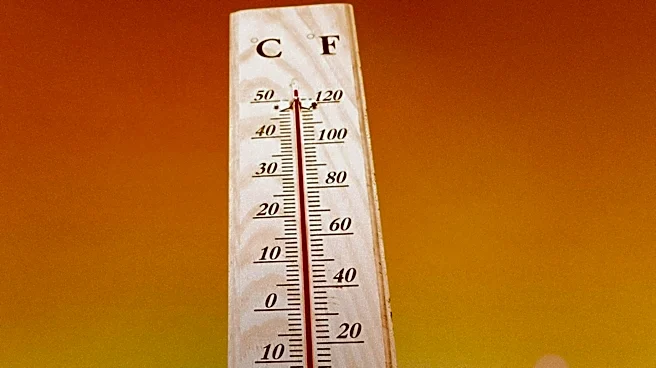
A recent study highlights the growing public health concern of extreme temperature-related illnesses and deaths, projecting an estimated 19,000–26,000 fatalities annually from extreme temperature days by the mid-21st century. This increase is predominantly
attributed to extreme heat rather than extreme cold, a trend exacerbated by rising global temperatures linked to climate change. The study emphasizes that heat-related illnesses, such as heat stress and heat stroke, are already a significant cause of morbidity and mortality, and this problem is worsening, making extreme heat the leading cause of all weather-related deaths. Behavioral interventions aimed at prevention are a priority, with a systematic review of 13 studies indicating that such interventions can improve knowledge and prevention behaviors, and potentially reduce heat injury. However, the published literature on these interventions is limited, suggesting a need for more robust research with larger samples and randomized designs.
Why It's Important?
The projected rise in extreme temperature-related deaths has profound implications for public health and healthcare systems across the U.S. and globally. As temperatures continue to climb, vulnerable populations, particularly older adults, will face increased risks of morbidity and mortality. The study notes that a 1°C temperature rise is associated with higher morbidity and mortality among older people, with the highest risks linked to heat-related illnesses, external causes, and endocrine diseases, especially in tropical climates. This necessitates significant adjustments in public health planning, emergency response, and healthcare infrastructure to mitigate these impacts. The economic burden on healthcare systems is also expected to increase, as evidenced by significant increases in costs for emergency department presentations and hospitalizations during heat exposure. Industries reliant on outdoor labor, such as agriculture and construction, will also need to adapt to protect workers from heat-related illnesses, potentially impacting productivity and operational costs.
What's Next?
To address the escalating threat of extreme temperature-related deaths, the study recommends the development and implementation of effective, evidence-based interventions. These include tailored heat health action plans that consider individual risk factors, local resources, climatic characteristics, and healthcare infrastructure. There is an urgent need for improved study designs in research on behavioral heat-illness prevention, incorporating larger samples and randomized designs to enhance the validity of findings. Public health policies will likely focus on strengthening early warning systems and providing personal protective equipment (PPE) to ensure populations are adequately protected. Furthermore, as the global population ages, understanding the health impacts of climate change on older adults will become even more crucial, driving targeted interventions and resource allocation to this demographic. Continued research into the combined effects of various climatic exposures, such as heat and air pollution, is also essential for a comprehensive public health strategy.
Beyond the Headlines
The findings underscore a critical ethical and societal challenge: ensuring equitable protection against climate change impacts, particularly for vulnerable groups. The disproportionate burden on older adults and children, as highlighted by the study, raises questions about intergenerational equity and the responsibility of current generations to mitigate future risks. The limited evidence on behavioral interventions also points to a broader issue in public health: the difficulty of translating scientific knowledge into effective, widespread behavioral change. This requires a deeper understanding of cultural, social, and economic factors that influence health behaviors. Moreover, the study's emphasis on the need for robust research methodologies highlights the ongoing challenge of generating reliable data in complex environmental health contexts, which is crucial for informing policy and resource allocation in a rapidly changing climate.