







What's Happening?
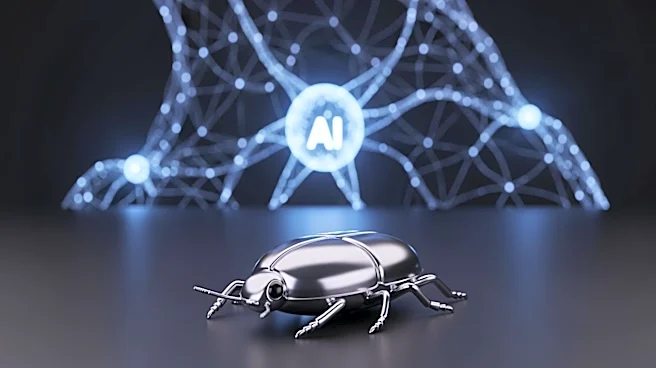
Anthropic's Claude Mythos Preview model has demonstrated the ability to rapidly create working exploits for known software vulnerabilities, significantly reducing the time required for such developments. The model can generate exploits for Firefox and
Windows vulnerabilities within hours, posing a heightened threat to organizations during the patch gap period. This capability underscores the increasing use of AI in cyberattacks, where large language models (LLMs) are employed to automate and accelerate exploit development. The model's efficiency in creating exploits highlights the need for faster patching and updated cybersecurity strategies.
Why It's Important?
The ability of AI models like Claude Mythos to quickly develop exploits for known vulnerabilities represents a significant escalation in the cybersecurity threat landscape. Organizations must now contend with the possibility of rapid exploitation of vulnerabilities before patches can be widely deployed. This development necessitates a reevaluation of patch management strategies and emphasizes the importance of proactive cybersecurity measures. The use of AI in cyberattacks also raises concerns about the accessibility of such technology to malicious actors, potentially lowering the barrier to entry for cybercriminals.
What's Next?
Organizations may need to adopt more agile patch management processes and invest in advanced threat detection and response capabilities to mitigate the risks posed by AI-driven cyberattacks. There may also be increased collaboration between cybersecurity firms and technology providers to develop more robust defenses against AI-generated exploits. Additionally, regulatory bodies could consider implementing guidelines to address the ethical and security implications of AI in cybersecurity.