






What's Happening?
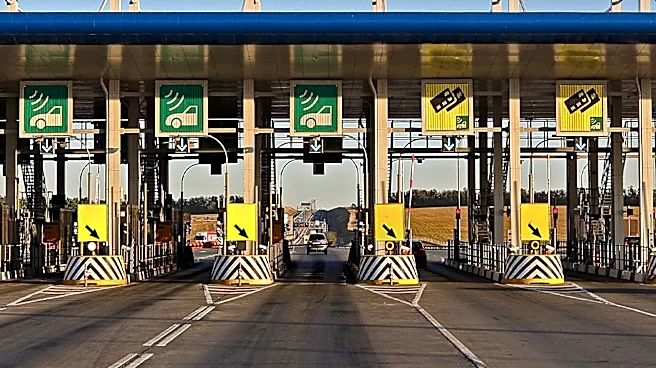
The White House Military Spouse Commission is actively considering expanding a toll relief program for military families across the United States, using the successful model implemented at MacDill Air Force Base in Tampa, Florida, as a potential blueprint.
This initiative aims to alleviate the financial burden of commuting for service members who are often required to live off-base due to various factors such as housing availability, family size, desired school districts, and spousal employment. The MacDill program currently offers eligible service members a 50% reduction in qualifying toll fees, leading to reported annual savings of up to $1,500. The Commission hopes to extend similar benefits, potentially even eliminating tolls, which would necessitate significant cooperation with state governments and toll-road operators. The discussion highlights the substantial financial impact of recurring toll fees on military families, which can quickly accumulate to hundreds or thousands of dollars annually, diverting funds from essential needs like childcare, housing, and groceries.
Why It's Important?
This initiative is important because it addresses a significant financial strain on military families, directly impacting their economic well-being and quality of life. The current system often forces service members to incur substantial commuting costs, which can be a hidden expense not fully accounted for in their compensation. By expanding toll relief, the program could free up considerable funds for military families, allowing them to better manage their household budgets and invest in other critical areas. This could also improve morale and retention within the armed forces by demonstrating a tangible commitment to supporting service members and their families. The success of the MacDill model suggests that a collaborative approach between military installations and transportation authorities can effectively ease these burdens, setting a precedent for nationwide implementation. The varying toll structures and commuting needs across different military bases, from tunnels in Virginia to cross-state commutes in Delaware, underscore the complexity and necessity of a tailored, yet comprehensive, solution.
What's Next?
The White House Military Spouse Commission will continue discussions and proposals for expanding the military commuter relief initiative. Future steps will involve intricate coordination with various stakeholders, including state agencies, regional authorities, and private toll operators, each with their own payment systems, maintenance schedules, and fiscal responsibilities. Potential approaches include implementing a percentage discount on qualifying trips, offering a monthly commuter credit with a capped benefit, or providing targeted support for unavoidable toll routes. The Commission also plans to coordinate with existing state relief programs, such as Virginia’s Elizabeth River Tunnels Toll Relief Program, to leverage established models for enrollment and discount administration. A critical next step involves better data collection through pilot programs to track enrollment, qualifying trips, average monthly toll expenditures, household savings, and administrative costs. This data will be crucial for determining the program's effectiveness and justifying its expansion, potentially influencing adjustments to Basic Allowance for Housing (BAH) for service members in specific zip codes with high toll usage.
Beyond the Headlines
Beyond the immediate financial relief, a nationwide toll relief program for military commuters could signify a broader shift in how the U.S. government and local communities support service members. It highlights the often-overlooked economic challenges faced by military families due to their unique living and working circumstances. This initiative could foster stronger partnerships between military installations and civilian communities, leading to more integrated support systems. Ethically, it reinforces the idea that those who serve should not be unduly penalized for their service through unavoidable commuting costs. Legally, implementing such a program would require navigating complex state and federal regulations concerning transportation funding and toll collection, potentially setting new precedents for inter-governmental cooperation. Culturally, it could enhance public appreciation for the sacrifices made by military families, promoting a more supportive environment for them across the nation. The long-term implications could include improved military readiness and retention, as financial stability is a key factor in service members' ability to focus on their duties.