




What's Happening?
Vietnam has significantly expanded its eVisa program, now accepting applications from citizens of all countries and territories, and increasing the validity period to 90 days for both single and multiple entries. This expansion, effective from August
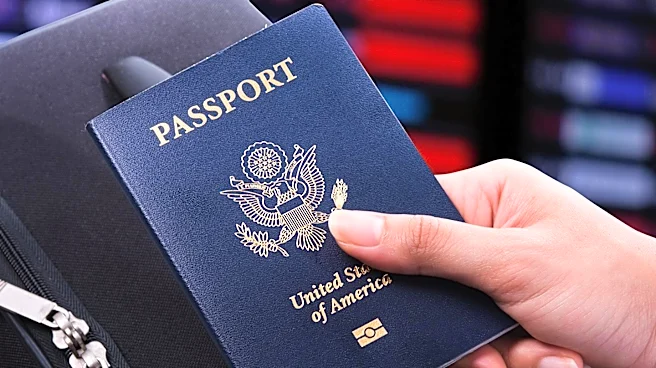
15, 2023, also includes an increase in the number of international border gates that accept eVisas to 83, covering air, land, and sea crossings. Additionally, Vietnam has extended its visa-free entry policy to 45 days for citizens of 24 countries, including several European nations, with these exemptions valid until March 2028 and August 2028, respectively. U.S. and Canadian passport holders generally still require an eVisa for tourist visits.
Why It's Important?
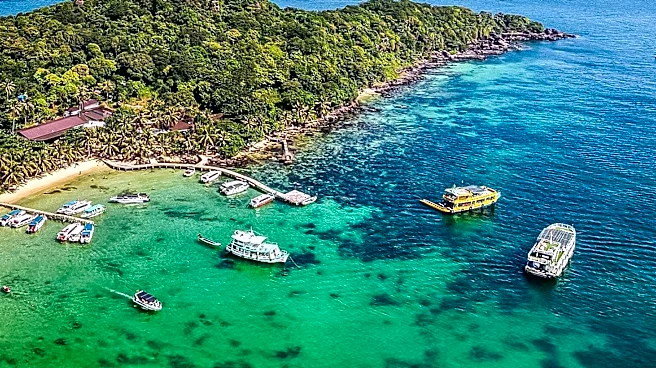
This comprehensive overhaul of Vietnam's visa policy is a strategic move to boost tourism and facilitate business travel, significantly impacting international visitors, including those from the U.S. and Canada. The extended validity and increased accessibility of eVisas simplify the entry process, making Vietnam a more attractive destination for longer stays and multi-country itineraries. For U.S. and Canadian travelers, who typically need a visa, the online eVisa application streamlines what was once a more cumbersome process. The expansion of visa-free entry for other nationalities further diversifies Vietnam's tourism market, potentially leading to increased economic activity in the hospitality, travel, and related sectors. This policy shift reflects Vietnam's commitment to re-establishing its tourism industry post-pandemic and enhancing its global connectivity.
What's Next?
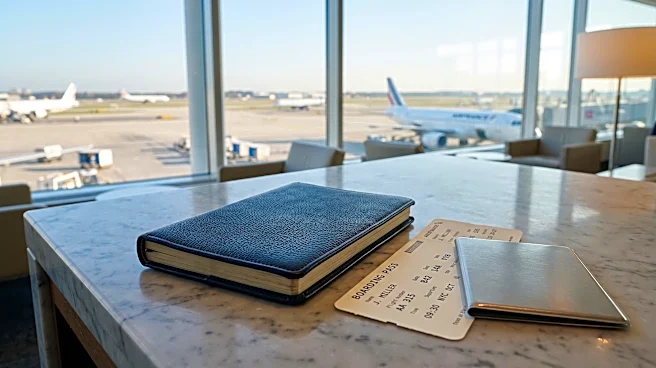
Travelers planning a trip to Vietnam should apply for their eVisa through the official Vietnam eVisa portal (evisa.gov.vn) well in advance of their departure, ideally at least two weeks prior, to account for the official three-working-day processing time and any potential delays. Applicants need to prepare a clear image of their passport's information page and a suitable portrait photograph. It is crucial to double-check all personal details and travel dates to avoid errors that could lead to application refusal. Upon approval, travelers should save a digital copy and print a physical copy of their eVisa. Additionally, travelers should confirm if their specific border gate accepts eVisas, especially for overland crossings, and check the latest instructions for the voluntary Pre-arrival Information (PAI) system at designated international airports.
Beyond the Headlines
The liberalization of Vietnam's visa policies signifies a broader trend among Southeast Asian nations to leverage tourism as a major economic driver. By simplifying entry requirements, Vietnam aims to compete more effectively with regional rivals and attract a wider demographic of travelers, from backpackers to long-term digital nomads. This move also highlights the increasing role of digital platforms in international travel, with online eVisa systems becoming the norm. However, it also places a greater responsibility on travelers to ensure they are using official government portals to avoid scams and misinformation. The long-term success of these policies will depend on continued infrastructure development, sustainable tourism practices, and effective management of increased visitor numbers, ensuring that the benefits are widely distributed and the country's natural and cultural heritage is preserved.