




What's Happening?
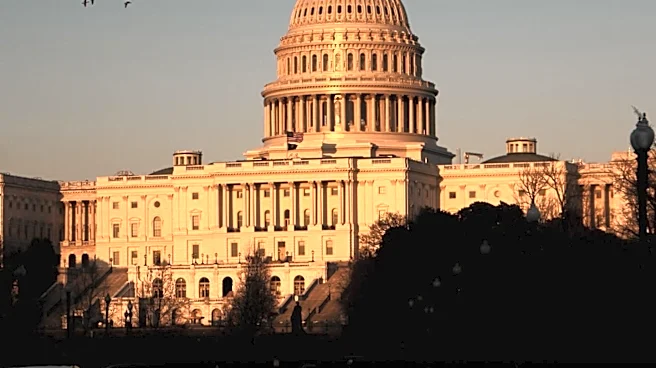
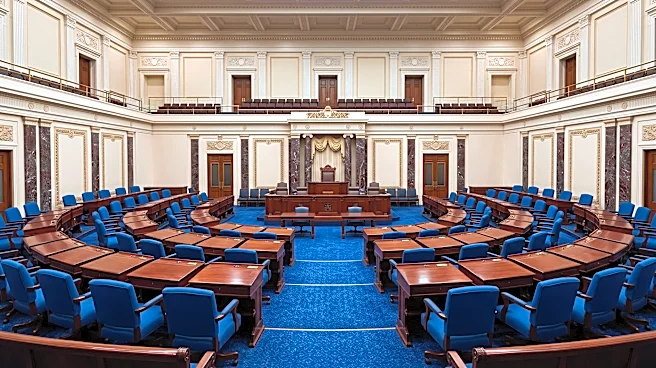
U.S. Representative Rick Larsen (WA-02), alongside 110 House Democrats, has sent a letter to tech industry leaders advocating for strict guardrails on data center construction. The letter emphasizes the need for data centers to operate responsibly, ensuring
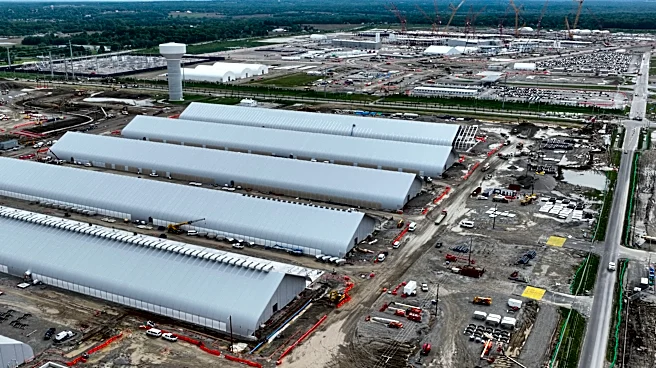
high-quality construction, good jobs, strong environmental stewardship, and robust partnerships with local communities. Lawmakers stated their opposition to new data center projects that do not incorporate strong labor standards, negotiate community benefits agreements with local leaders, and mitigate negative impacts on local air quality, drinking water, and utility costs for residents. This initiative aims to prevent data center development from straining public infrastructure and to protect ratepayers from bearing the costs of these projects' energy needs. Representative Larsen has also voted for the Ratepayers Protection Act and co-sponsors the Big Ugly Tax Breaks for Data Centers Act to roll back tax breaks for large AI data centers.
Why It's Important?
This push for data center guardrails is significant for U.S. consumers and local communities, particularly in areas experiencing rapid data center development. The proposed measures aim to prevent increased electricity and water bills for families and small businesses, ensuring that the economic benefits of tech expansion do not come at the expense of residents. By demanding community approval and union labor for construction, the initiative seeks to foster local economic growth and fair employment practices. Furthermore, requiring data centers to pay their fair share for grid connection and use, and to implement closed-loop water systems, addresses critical infrastructure and environmental concerns. This could set a precedent for how large-scale industrial developments are integrated into communities, potentially influencing future policy on infrastructure, environmental protection, and consumer rights across various sectors.
What's Next?
The letter to tech industry leaders signals an ongoing legislative effort to regulate data center development. Future steps may include further legislative action, such as the advancement of bills like the Ratepayers Protection Act and the Big Ugly Tax Breaks for Data Centers Act, which Representative Larsen supports. Tech industry leaders will likely need to respond to these demands, potentially leading to negotiations or changes in their development practices. Local communities and advocacy groups will likely continue to monitor and engage with data center projects, pushing for the implementation of these guardrails. The outcome of these efforts could influence the future landscape of data center construction and operation in the U.S., potentially leading to new industry standards and regulatory frameworks.
Beyond the Headlines
Beyond the immediate concerns of utility costs and environmental impact, this initiative touches upon broader ethical and societal implications of technological advancement. The demand for community benefits agreements and union labor highlights a growing focus on equitable development and corporate social responsibility within the tech sector. It also underscores the tension between rapid technological expansion and the sustainable management of public resources. The call for data centers to pay their fair share for infrastructure use reflects a shift towards holding large corporations more accountable for their societal footprint. This movement could inspire similar calls for accountability in other industries, fostering a more balanced approach to economic development that prioritizes community well-being and environmental sustainability alongside technological progress.