









What's Happening?
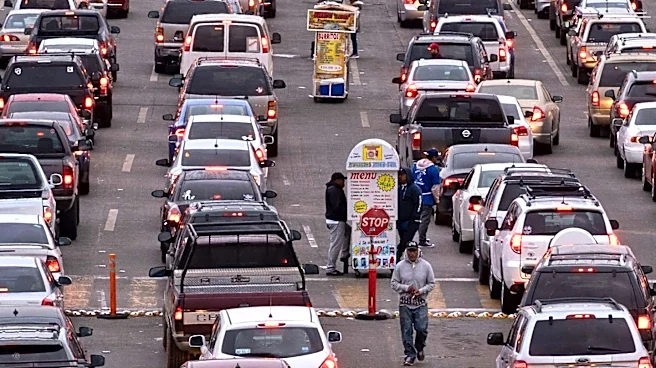
Cross-border traffic from British Columbia to the U.S. has seen a modest increase but remains significantly below 2024 levels. According to Statistics Canada, there was a 9.5% increase in Canadian-resident return trips in May 2026 compared to the previous
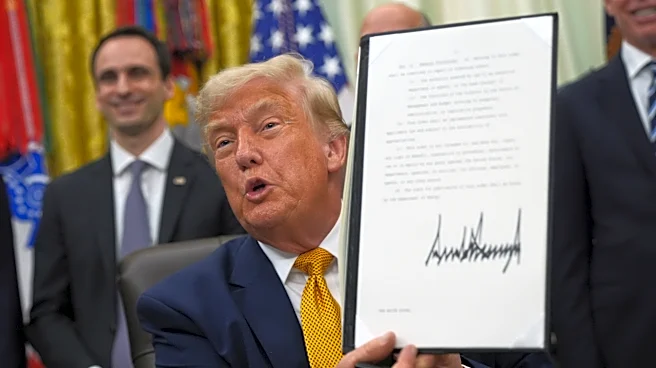
year. However, the number of southbound trips by vehicles with B.C. plates is still down 37% from 2024. The decline in cross-border travel is attributed to lingering effects of the trade tensions initiated by President Trump, which have impacted travel patterns. Despite the increase, many B.C. residents continue to support local businesses and travel within Canada.
Why It's Important?
The sustained reduction in cross-border traffic has implications for both Canadian and U.S. economies, particularly in border regions that rely on tourism and cross-border shopping. The decrease in travel affects local businesses that depend on Canadian visitors, potentially leading to economic challenges in these areas. Additionally, the situation highlights the long-term impact of political and trade tensions on international travel and commerce. The modest recovery in travel suggests a gradual easing of these tensions, but full recovery may require further diplomatic efforts to restore confidence and ease restrictions.
What's Next?
Future developments in cross-border travel will likely depend on the resolution of trade disputes and the restoration of diplomatic relations between Canada and the U.S. Efforts to promote cross-border tourism and business partnerships may help accelerate recovery. Additionally, changes in travel policies or economic conditions could influence future travel patterns. Stakeholders in both countries may need to collaborate to address barriers to travel and encourage cross-border exchanges.