





What's Happening?
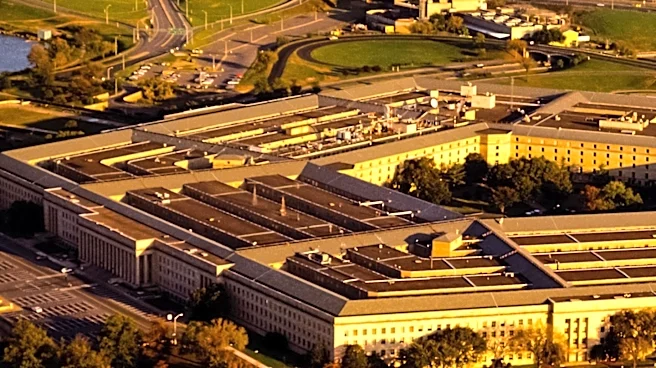
Senate Democrats have blocked a $1 trillion annual defense bill, known as the National Defense Authorization Act (NDAA), in protest against President Trump's ongoing military actions in Iran. The bill, which would significantly increase Pentagon spending
and include a pay raise for troops, failed to advance with a 50-46 vote, falling short of the required threshold. Senate Democratic Leader Chuck Schumer and other key Democrats opposed the bill, citing the prolonged conflict in Iran and the lack of a clear endgame. The White House had recently notified Congress of resumed bombing strikes against Iran, reversing a fragile ceasefire. Despite multiple attempts by Congress to impose restrictions on the administration's military actions, most Republicans continue to support President Trump. Senate Majority Leader John Thune defended the bill, emphasizing the need to provide resources for national security.
Why It's Important?
The blocking of the defense bill highlights significant political divisions over U.S. military involvement in Iran. The decision underscores the Democrats' resistance to what they perceive as unchecked military actions by the Trump administration. The failure to pass the NDAA could impact military funding and operations, potentially affecting troop pay and defense readiness. The ongoing conflict with Iran has also led to economic disruptions, including volatile gas prices, which could influence public opinion and voter sentiment ahead of the midterm elections. The situation reflects broader debates over U.S. foreign policy and military spending priorities, with potential implications for future defense strategies and international relations.
What's Next?
Following the bill's failure to advance, Senate Majority Leader John Thune has the option to bring it back for consideration. Meanwhile, Secretary of Defense Pete Hegseth is scheduled to meet with House Republicans to discuss additional funding through a separate budget reconciliation bill. This process could allow Republicans to pass the funding without Democratic support. However, internal GOP divisions over budget size and spending priorities may complicate these efforts. Democrats are likely to continue pushing for war powers resolutions to limit military actions, while seeking amendments to end the conflict in Iran. The ongoing debate may influence future legislative negotiations and defense policy decisions.