






What's Happening?
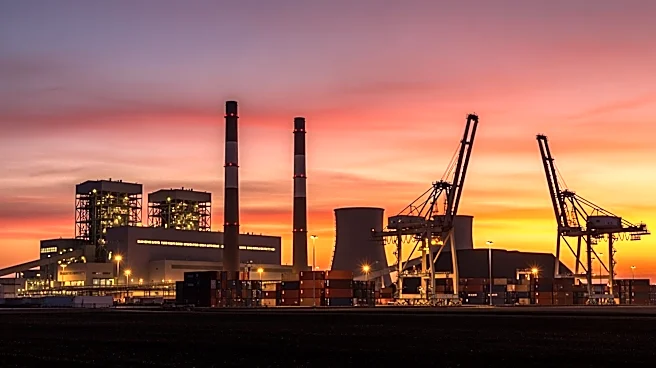
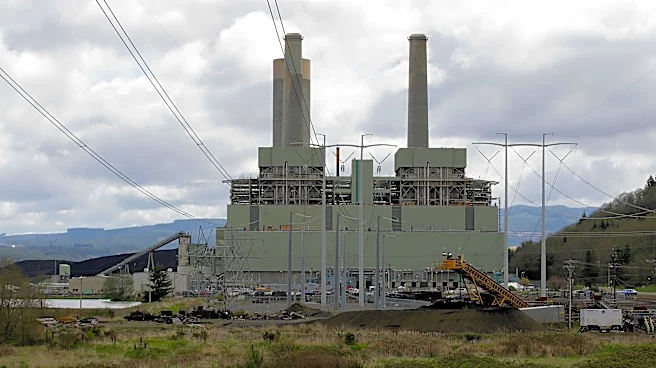
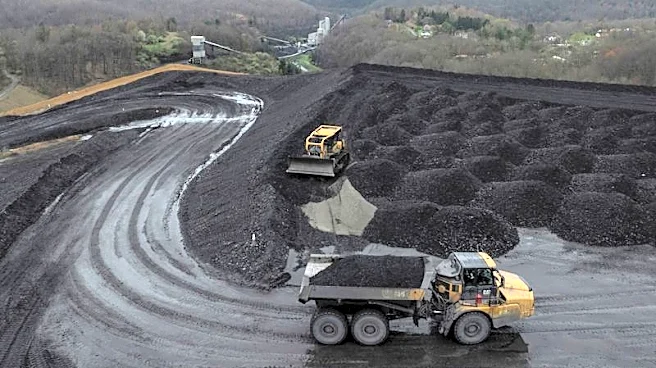
President Trump announced a $700 million investment in the U.S. coal industry, invoking the Defense Production Act to fund the construction of a new coal export terminal in Oakland, California. This initiative includes upgrading 13 existing coal plants,
building new plants in Alaska and West Virginia, and reopening a shuttered plant in Maryland. The plan aims to reduce energy costs and enhance national security by increasing coal exports to allied nations. The announcement was made at the White House, with key officials including U.S. Interior Secretary Doug Burgum and U.S. Energy Secretary Chris Wright present.
Why It's Important?
The investment in coal is significant as it represents a shift in energy policy under President Trump, focusing on fossil fuels to address rising energy costs. This move is controversial, as it revives a long-standing debate over coal's environmental impact and its role in national energy strategy. Proponents argue it strengthens U.S. energy security and supports economic growth, while opponents highlight the environmental and health risks associated with coal. The decision could affect energy prices and influence the U.S. energy market's direction, impacting both domestic and international stakeholders.
What's Next?
The project is expected to face legal challenges from environmental groups and local communities in Oakland, who oppose the coal terminal due to potential pollution and health risks. These groups are likely to contest the classification of coal export infrastructure as critical to national defense. The administration's focus on coal may also lead to further policy shifts away from renewable energy investments, potentially affecting the U.S.'s long-term energy strategy and climate commitments.
Beyond the Headlines
The decision to invest in coal highlights broader tensions between economic and environmental priorities in U.S. energy policy. It raises questions about the balance between national security and environmental protection, as well as the future of renewable energy initiatives. The move could influence public opinion and political dynamics, particularly in regions affected by coal production and export activities.