
What's Happening?
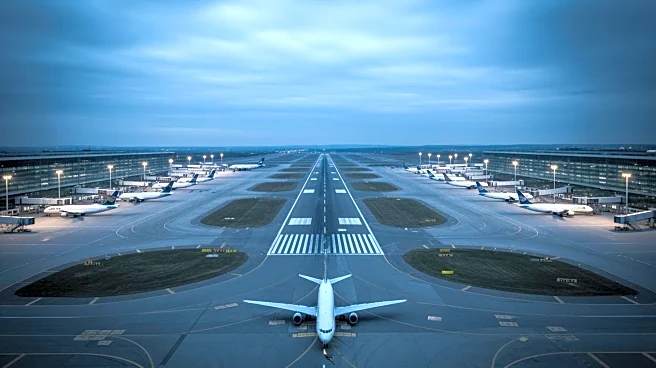
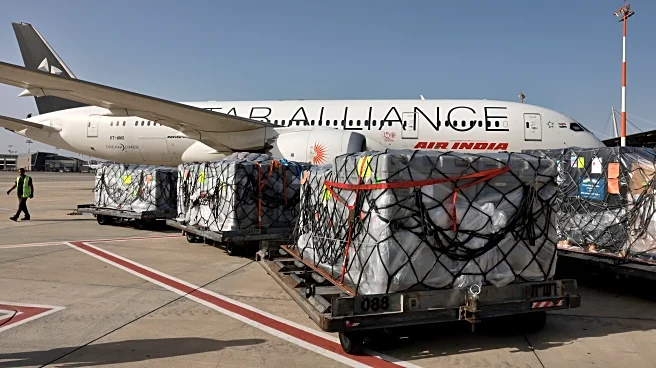
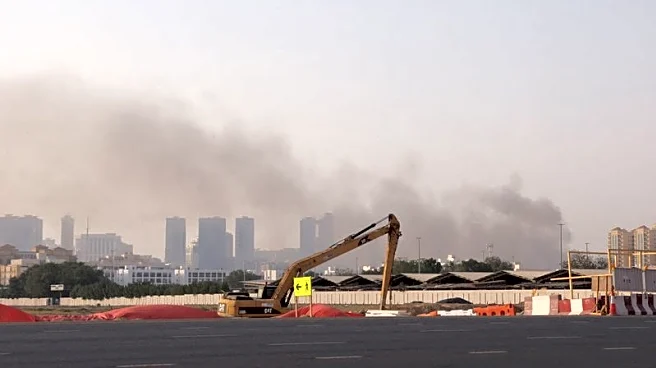
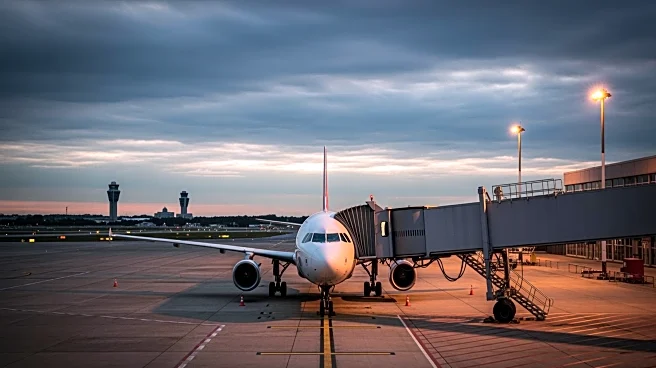
Air travel across the Middle East has been severely disrupted following a military attack on Iran by the United States and Israel. This has resulted in the closure of major airports in Dubai, Abu Dhabi, and Doha, which are key transit hubs for international
travel. The attack has left hundreds of thousands of travelers stranded, as airlines have canceled flights and governments have advised citizens to shelter in place. The situation has caused significant congestion at hotels and airports, with travelers struggling to get information on when flights might resume. The closures have affected not only the Middle East but also international travel routes, as these airports serve as critical connections between Europe, Africa, and Asia.
Why It's Important?
The closure of major Middle Eastern airports has significant implications for global travel and commerce. These airports are vital for connecting flights between continents, and their shutdown disrupts international travel and trade. The situation highlights the vulnerability of global transportation networks to geopolitical conflicts. The economic impact is substantial, affecting airlines, tourism, and related industries. Travelers face uncertainty and potential financial losses due to canceled flights and extended stays. The incident underscores the broader geopolitical tensions in the region, which could have long-term effects on international relations and economic stability.
What's Next?
Airlines and governments are working to manage the crisis, with some airlines offering waivers for rebooking flights without additional fees. However, the timeline for reopening airspace and resuming normal operations remains uncertain. The situation is likely to evolve as diplomatic efforts and military actions continue. Travelers are advised to stay informed about flight statuses and potential changes in travel advisories. The incident may prompt discussions on improving crisis management and contingency planning in the aviation industry to better handle such disruptions in the future.