





What's Happening?
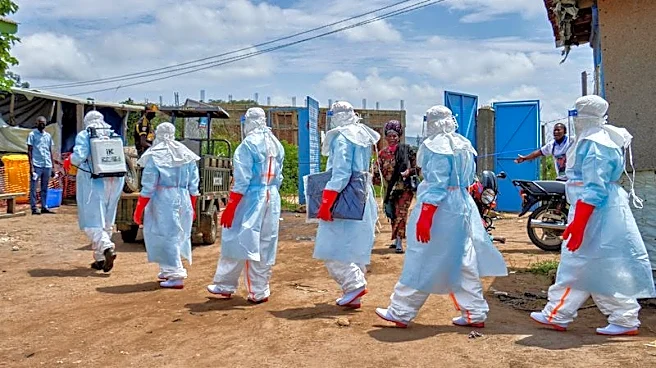
The current Ebola outbreak in the Democratic Republic of Congo, originating in Mongbwalu, has escalated, with 363 confirmed cases and 63 deaths. The outbreak is exacerbated by the dismantling of the U.S. Agency for International Development (USAID), which
previously played a crucial role in disease surveillance and response. The Bundibugyo strain of Ebola, harder to detect than other variants, poses significant challenges in a region already strained by conflict and distrust of outsiders. The lack of USAID's infrastructure has delayed detection and response efforts, complicating containment.
Why It's Important?
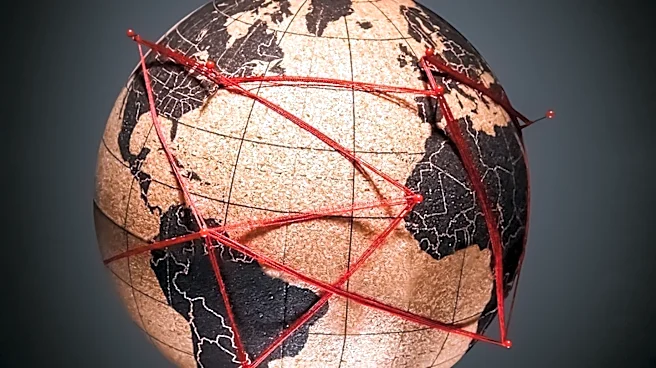
The outbreak highlights the critical role of international aid organizations like USAID in managing global health crises. The reduction in U.S. involvement has left significant gaps in disease surveillance and response capabilities, potentially allowing the outbreak to spread unchecked. This situation underscores the interconnectedness of global health security and the potential consequences of withdrawing support from vulnerable regions. The outbreak poses a threat not only to the affected regions but also to global health security, emphasizing the need for robust international cooperation.
What's Next?
Efforts to contain the outbreak will require rebuilding trust with local communities and enhancing lab capacities to ensure timely diagnosis and treatment. International organizations and governments must collaborate to provide the necessary resources and support to manage the crisis effectively. The situation calls for a reassessment of global health aid strategies to prevent similar crises in the future.