


What's Happening?
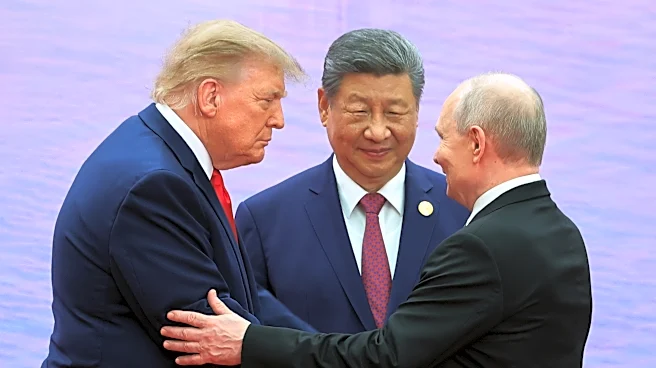
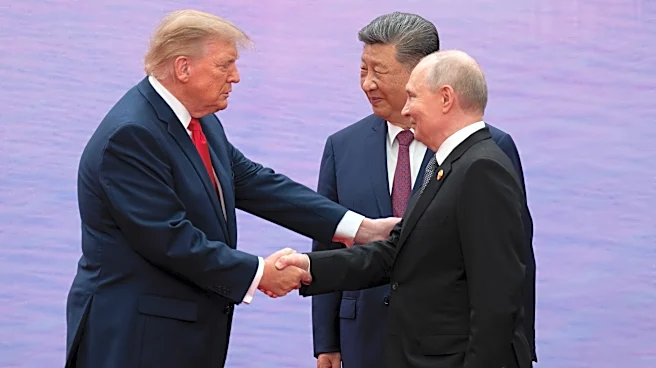
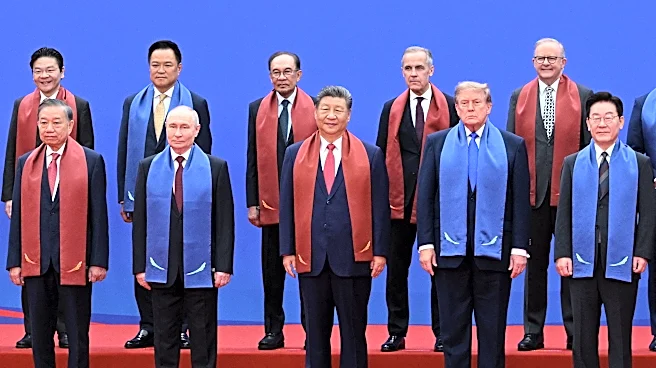
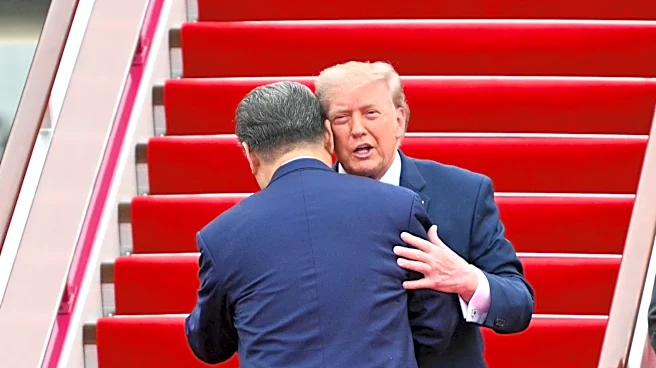
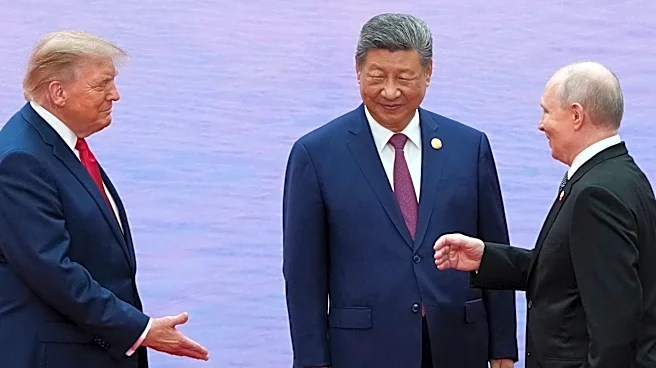
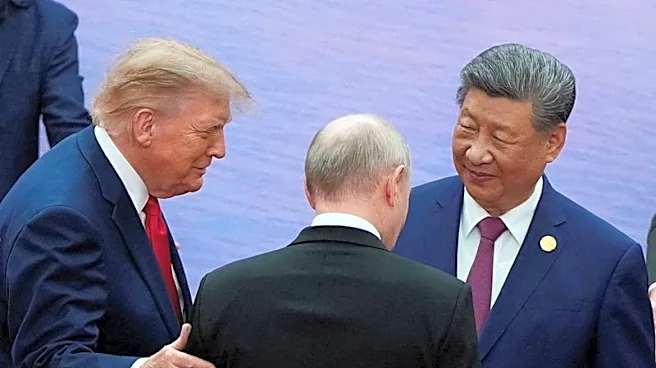
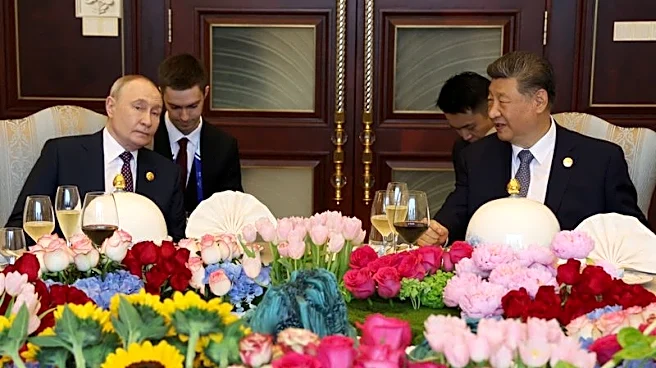
Taiwan is closely monitoring an unprecedented trilateral meeting between President Trump, Chinese President Xi Jinping, and Russian President Vladimir Putin at the APEC Leaders’ Summit in Shenzhen, China. Taiwan's Presidential Office spokesperson, Karen
Kuo, stated that Taiwan is in 'close contact' with the U.S. and views positively any efforts to manage the risks of authoritarian expansion and contribute to regional security. This summit occurs as China increases military pressure around Taiwan, and Russia recently sent military aircraft near Taiwan's east coast. President Trump previously described arms sales to Taipei as a 'bargaining chip' after meeting with President Xi in Beijing. Taiwan's consistent position is to strengthen its self-defense capabilities, maintain the 'status quo,' and collaborate with international democratic partners to safeguard regional security. Relations between Taipei and Beijing are strained, with China refusing dialogue with President William Lai, whom it labels a 'separatist.'
Why It's Important?
This trilateral summit is significant for Taiwan as it involves major global powers, two of whom, China and Russia, are seen as authoritarian expansionist states. The meeting could potentially influence the geopolitical landscape of the Indo-Pacific region, directly impacting Taiwan's security and sovereignty. President Trump's past statements regarding Taiwan as a 'bargaining chip' raise concerns about potential shifts in U.S. policy towards the island, which relies heavily on U.S. support for its defense. The increased military activities by China and Russia in the region underscore the growing tensions and the potential for miscalculation. Taiwan's efforts to bolster its self-defense and resilience are crucial in this environment, as any perceived weakening of international support could embolden Beijing. The outcome of discussions, particularly any agreements or statements regarding regional stability, will be closely scrutinized by Taiwan and its allies.
What's Next?
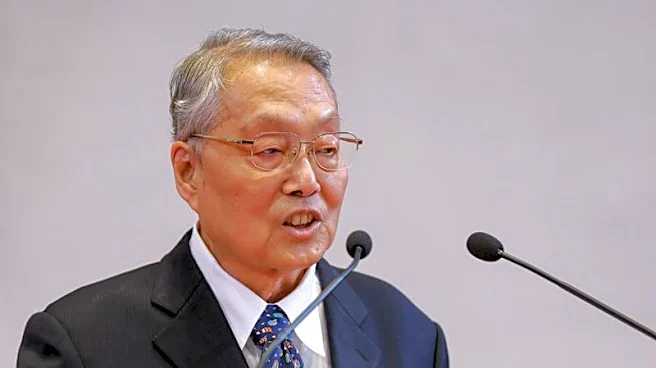
Taiwan will continue to bolster its self-defense capabilities and whole-of-society resilience. It will also maintain close coordination with international partners, including G7 members, to uphold freedom and democracy in the region. The Presidential Office has reiterated the importance of peace and stability across the Taiwan Strait and in the Indo-Pacific for global security and prosperity. Taiwan's envoy to the APEC summit, Acer Group founder Stan Shih, plans to actively engage with attending countries, emphasizing Taiwan's role as an indispensable partner in global technology and AI industries. China's Taiwan Affairs Office spokesman, Chen Binhua, stated that Beijing handles Taiwan's participation in APEC activities in accordance with the 'one China principle,' indicating continued diplomatic pressure. The international community will be watching for any joint statements or policy shifts from the trilateral meeting that could affect the delicate balance in the Taiwan Strait.
Beyond the Headlines
The unprecedented trilateral meeting highlights a broader shift in global power dynamics, where authoritarian states are increasingly seeking to assert their influence. For Taiwan, this summit underscores the precariousness of its international position and the constant need to navigate complex geopolitical currents. The U.S. role in this dynamic is critical; any perceived wavering in its commitment to Taiwan could have profound implications for regional stability and the broader democratic alliance in Asia. The summit also brings to the forefront the differing approaches to international relations: a multilateral, rules-based order versus a more transactional, great-power-centric approach. Taiwan's continued emphasis on self-reliance and international partnerships reflects a strategy to counter these pressures and maintain its democratic way of life amidst growing regional assertiveness from China and Russia.