






What's Happening?
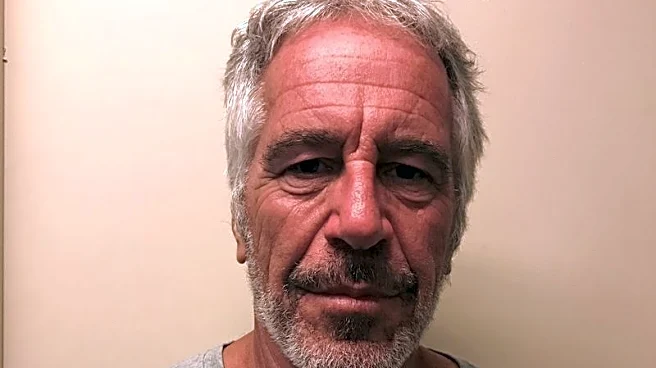
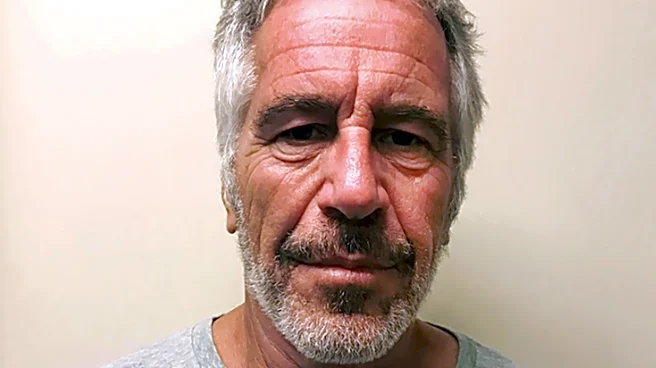
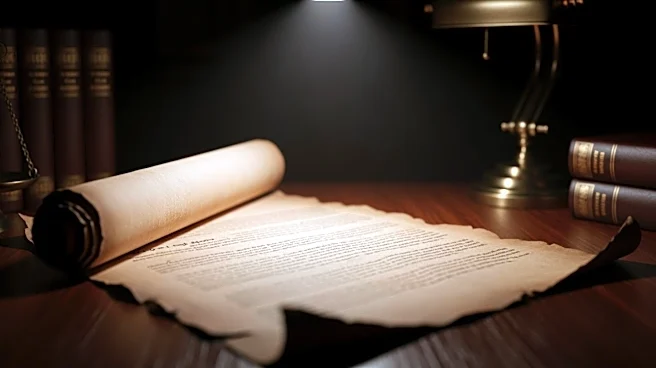
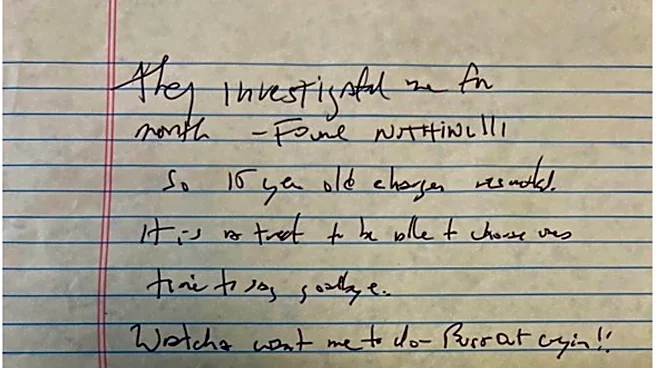
A note claimed to be found by Jeffrey Epstein's former cellmate, Nicholas Tartaglione, after Epstein's suspected suicide attempt has been released following a request by The New York Times. Tartaglione, serving a life sentence for murder, mentioned the
note on a podcast last year. The note, discovered in a book, was sealed in a courthouse vault as part of a legal dispute. U.S. District Judge Kenneth Karas ordered its release, considering Epstein's privacy interests reduced due to his death. The note's contents, which are difficult to decipher, were not included in government reports on Epstein's death.
Why It's Important?
The release of the note adds complexity to the narrative surrounding Epstein's death, potentially influencing public opinion and legal proceedings. It highlights issues of transparency and evidence management in high-profile cases, raising questions about the thoroughness of investigations. The note's contents could provide insights into Epstein's mental state and the conditions he faced, impacting future discussions on prison safety and oversight.
What's Next?
The note's release may lead to further scrutiny of Epstein's death and the handling of evidence by authorities. Legal experts and the public may call for more transparency in similar cases, potentially influencing policy changes regarding evidence disclosure. The case remains a focal point for discussions on prison conditions and the treatment of high-profile inmates.