






What's Happening?
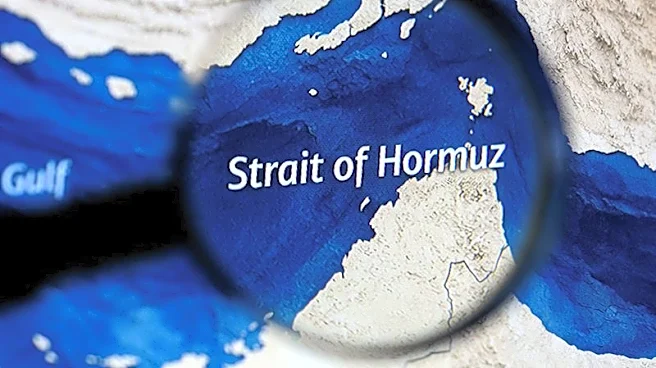
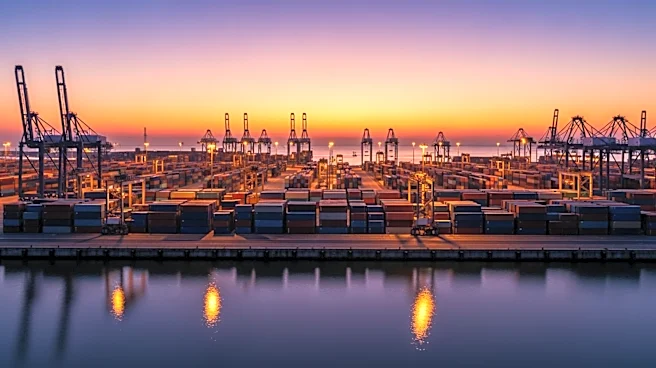
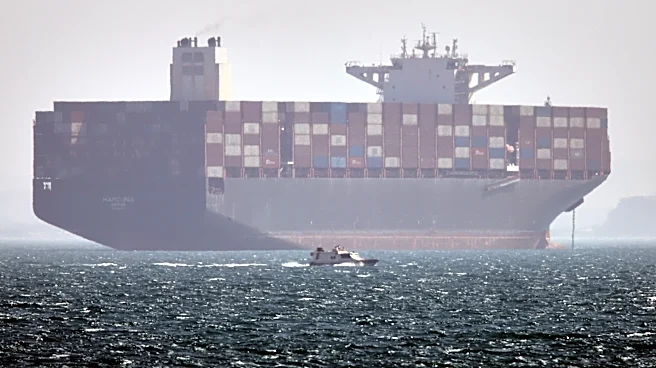
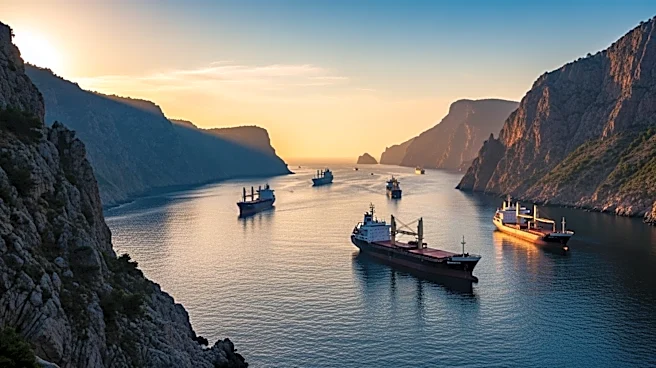
The UAE ports of Fujairah and Khor Fakkan have become crucial for the country's trade as the Strait of Hormuz remains effectively closed due to regional conflicts. These ports are handling the majority of the UAE's seaborne trade, with significant increases
in crude exports and container handling. The ports' strategic location outside the Gulf allows them to bypass the Strait, maintaining trade flows despite regional tensions. However, recent drone attacks by Iran on the Fujairah Oil Industry Zone highlight the vulnerability of these ports to geopolitical threats.
Why It's Important?
The reliance on Fujairah and Khor Fakkan underscores the strategic importance of these ports in maintaining the UAE's economic stability amid regional conflicts. The increased trade activity at these ports reflects their role as critical gateways for global trade, especially for oil exports. The situation also highlights the broader geopolitical tensions in the Gulf region, with potential implications for global energy markets and international trade routes. The UAE's ability to maintain trade flows despite these challenges is vital for its economic resilience.
What's Next?
The UAE may continue to enhance the security and capacity of its eastern ports to mitigate risks from regional conflicts. The development of new logistics hubs and infrastructure improvements could further strengthen the ports' role in global trade. However, ongoing geopolitical tensions may necessitate continued diplomatic efforts to ensure the security of trade routes. The UAE's response to recent attacks and its strategic planning for future trade disruptions will be closely watched by international stakeholders.