
What's Happening?
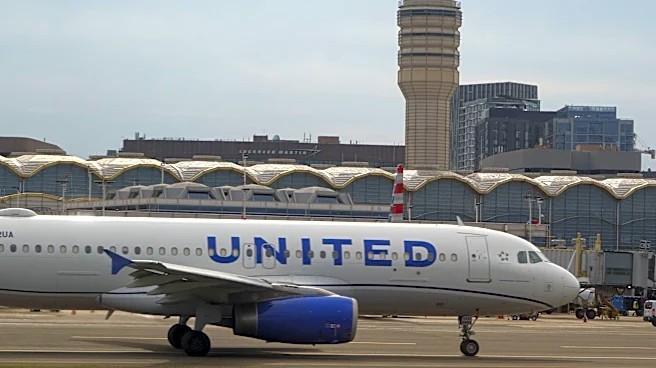
Scott Kirby, CEO of United Airlines, has issued a statement emphasizing the urgent need for modernization and increased investment in the U.S. Air Traffic Control (ATC) system. This call to action follows
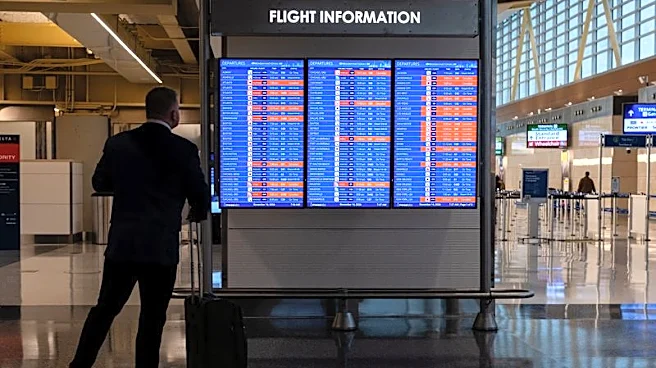
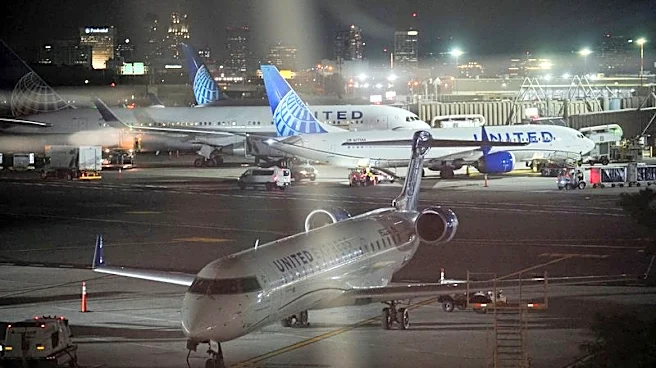
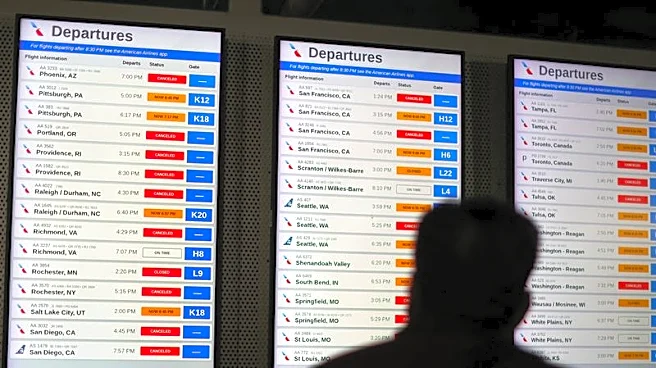
a nationwide ground stop that caused significant disruptions across the airline industry. Kirby acknowledged the efforts of United Airlines team members and the FAA in managing the situation, but highlighted the critical importance of upgrading technology to ensure better redundancy and reliability in the ATC system. He has engaged with the Secretary of Transportation, the FAA Administrator, and aviation leaders from both Republican and Democratic parties in Congress to discuss the impact on United's operations, employees, and customers. Kirby stressed that the current moment must serve as a catalyst for fixing the nation's ATC system, advocating for 100% staffing and adequate funding for technological advancements within the FAA.
Why It's Important?
The stability and efficiency of the U.S. Air Traffic Control system are paramount for the national economy, public safety, and the operational integrity of the airline industry. Disruptions, such as the recent nationwide ground stop, can lead to significant financial losses for airlines, inconvenience millions of travelers, and undermine confidence in air travel. United Airlines, a major carrier with extensive operations, is directly impacted by these system failures, affecting its revenue, customer satisfaction, and employee workload. Kirby's advocacy underscores a broader industry concern that an outdated ATC infrastructure poses a substantial risk. Modernizing the system would enhance safety, reduce delays, and improve the overall resilience of air travel, benefiting not only airlines and their passengers but also the broader economic activities that rely on efficient air transportation. The bipartisan support mentioned by Kirby suggests a potential for legislative action, which could lead to significant federal investment in this critical infrastructure.
What's Next?
The immediate next steps will likely involve continued discussions between airline industry leaders, the FAA, and congressional representatives regarding the specifics of ATC modernization. United Airlines, along with other carriers, will likely continue to press for increased funding and a clear timeline for technological upgrades and staffing improvements within the FAA. Congress will need to consider legislative measures to allocate the necessary resources for these enhancements, potentially through appropriations bills or dedicated infrastructure legislation. The FAA will be under pressure to develop and implement a comprehensive plan for modernization, addressing both technological deficiencies and staffing shortages. The outcome of these efforts will determine the future reliability and efficiency of the U.S. air travel system, with potential long-term benefits for passengers and the economy.
Beyond the Headlines
The call for ATC modernization extends beyond immediate operational fixes, touching upon deeper issues of national infrastructure investment and technological resilience. The incident highlights the vulnerability of critical systems to single points of failure and the cascading effects these can have on a highly interconnected economy. It also brings into focus the ongoing challenge of maintaining and upgrading complex public infrastructure in an era of rapid technological advancement. The bipartisan nature of the support for modernization suggests a recognition across the political spectrum of the strategic importance of air travel to national interests. This situation could serve as a precedent for addressing other aging infrastructure challenges in the U.S., emphasizing the need for proactive investment rather than reactive responses to crises. The long-term implications include not only safer and more efficient air travel but also a potential model for how public and private sectors can collaborate to secure essential services.